THE JOURNAL

French fashion has never been just one thing. It’s a colourful ecosystem built on contrast – SAINT LAURENT’s precision sitting alongside Jacquemus’s playfulness, CELINE’s cool against LEMAIRE’s restraint and Husbands’ nostalgic flair.
Below, we spotlight the labels that built French style, from the most storied houses to ateliers still doing things the old way and newer brands setting the pace.
SAINT LAURENT


The famous Parisian fashion house SAINT LAURENT needs no introduction. But here goes anyway. The tailoring is sinuous and sharp, with protective shoulders. The boots sit high and the jackets are, well, smoking. Often in the brand’s signature black. Do your homework ahead of the new season by rereading Giovanni’s Room – the creative director Anthony Vaccarello drew inspiration from James Baldwin’s classic novel for the AW26 collection.
AMI PARIS
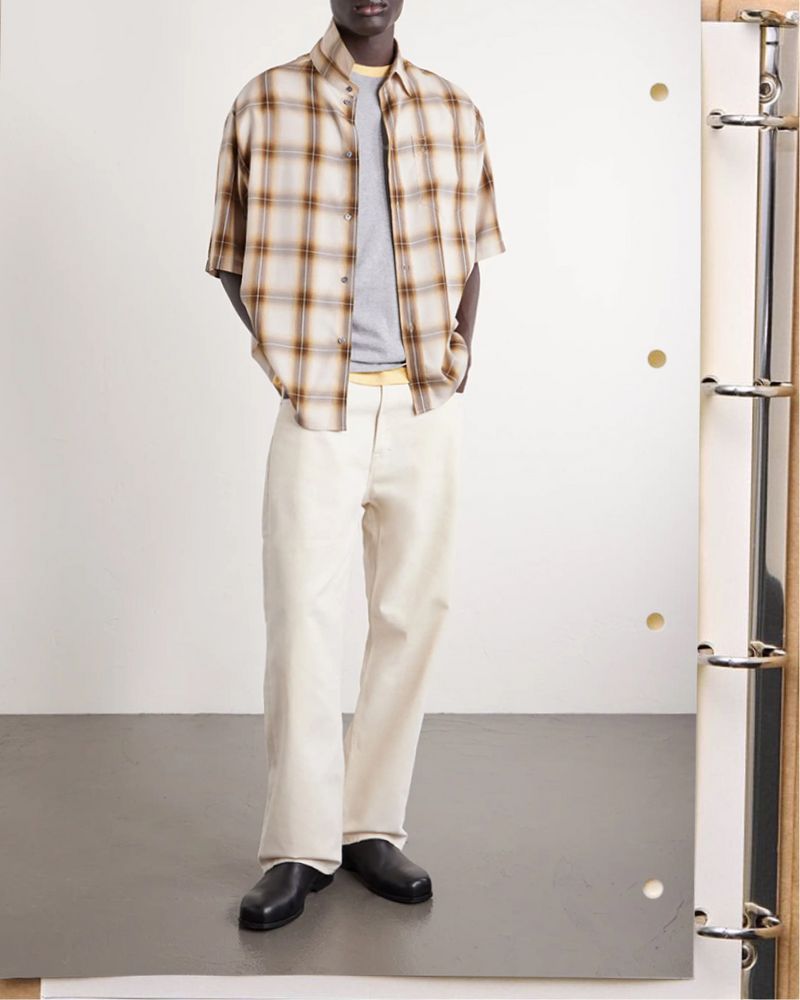
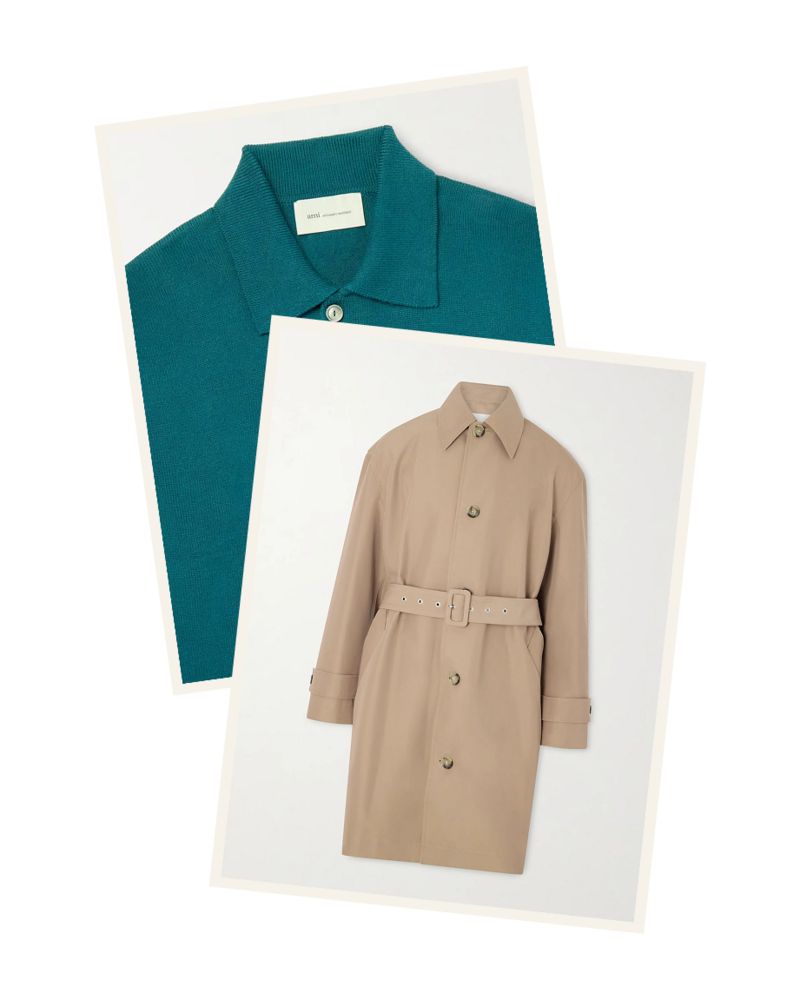
Alexandre Mattiussi’s effortlessly cool brand has been a driving force in uniting the rarefied world of the Paris runways with the insouciant style that its most stylish men practise day in, day out. AMI PARIS specialises in everyday staples that eschew trends and seasons. We are particularly fond of its knits, which are woven with the Ami de Coeur heart emblem.
Officine Générale
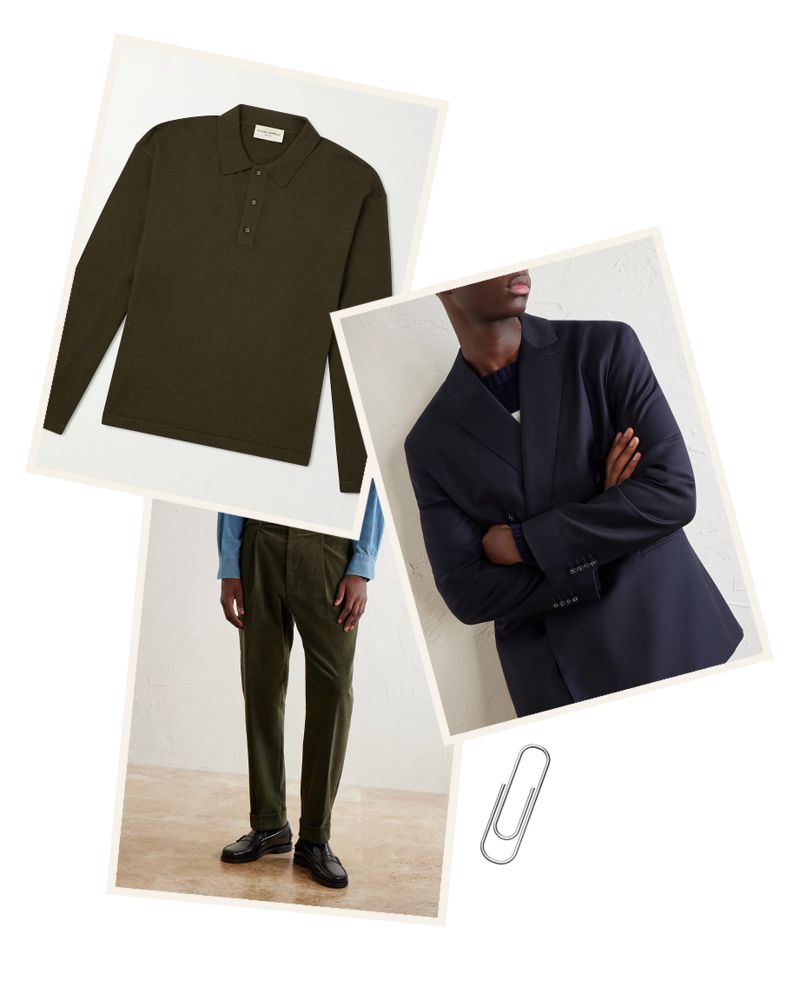
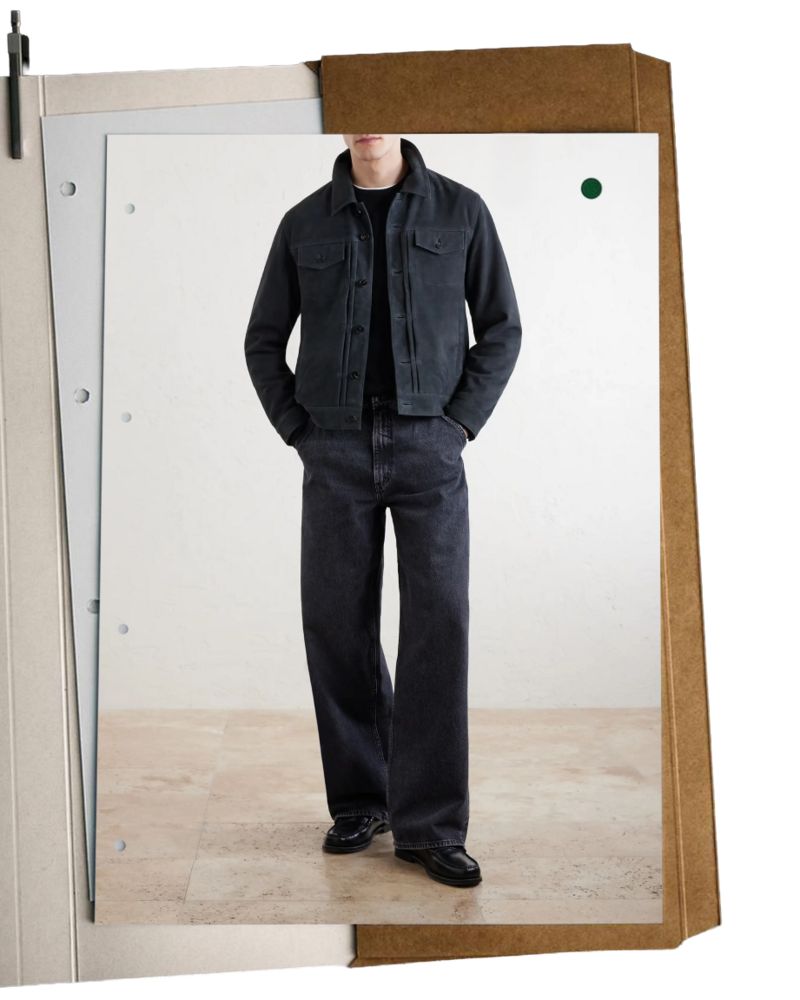
Hailing from the Left Bank, Officine Générale is renowned for its premium finishes and fabrics, restrained styling and an attractive price point. From relaxed tailoring to luxe takes on sweats and leisurewear, its collections are filled with elevated classics. “There is always something understated and timeless about our collections, but there are also subtle plays on shape, details, colour and texture that makes it feel understated, but with a point of difference,” says the founder Pierre Mahéo.
De Bonne Facture
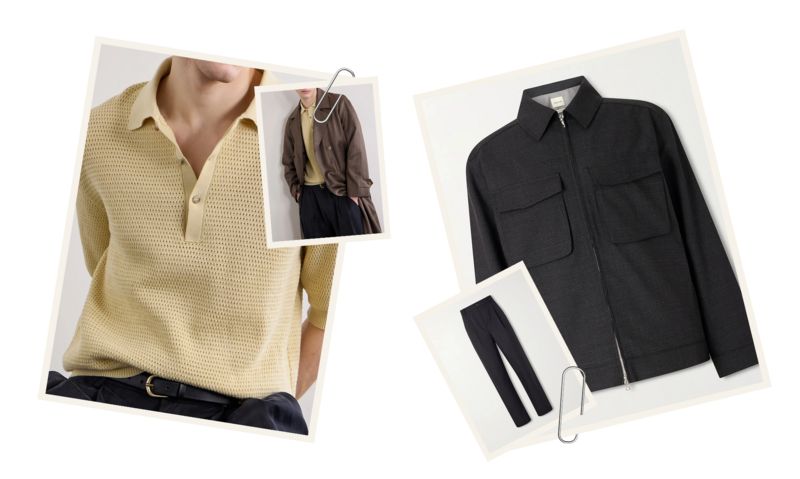
De Bonne Facture operates less as a standalone brand and more as a collective for some of France’s best craftsmen. Its limited-edition collections are created in collaboration with ateliers that span the length and breadth of France. With an uncompromising dedication to quality, provenance and the details that matter, it’s a brand for those who appreciate the finest craftsmanship. “I imagined a wardrobe that brings back memories while always feeling up to date,” says the founder Déborah Sitbon Neuberg. “A label with simple lines and quality materials that last. Clothes that can be put on, used, infused with movements, personal stories, while connecting them to the ateliers that have made them, to the hands that have assembled them.”
CELINE
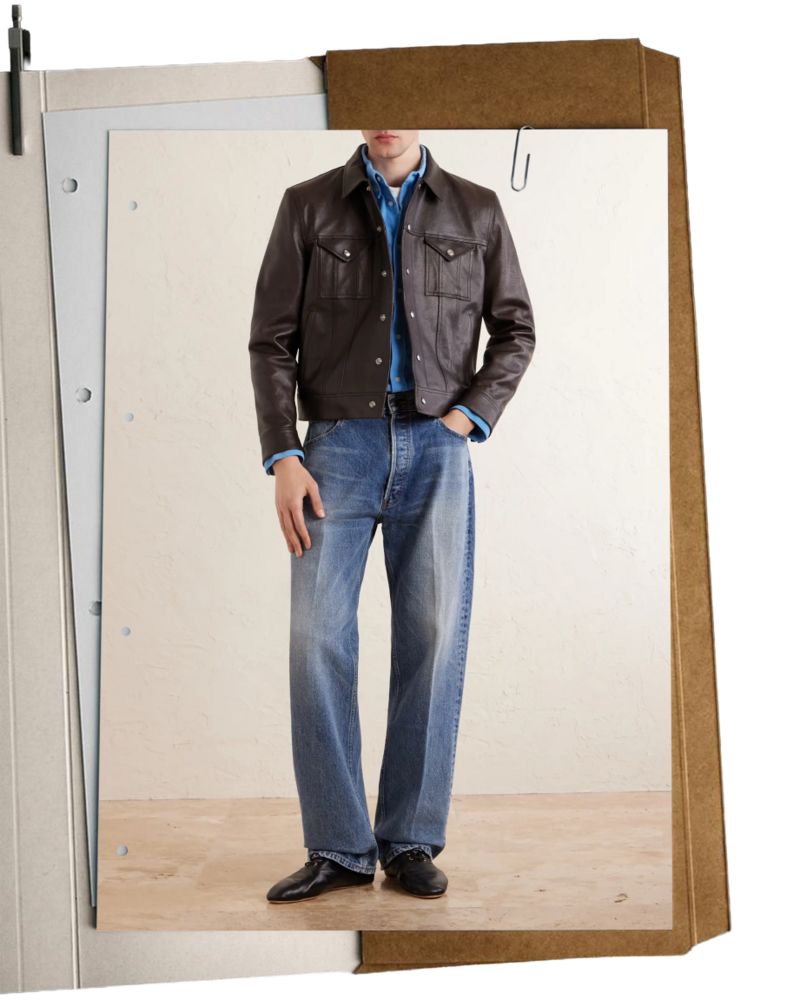
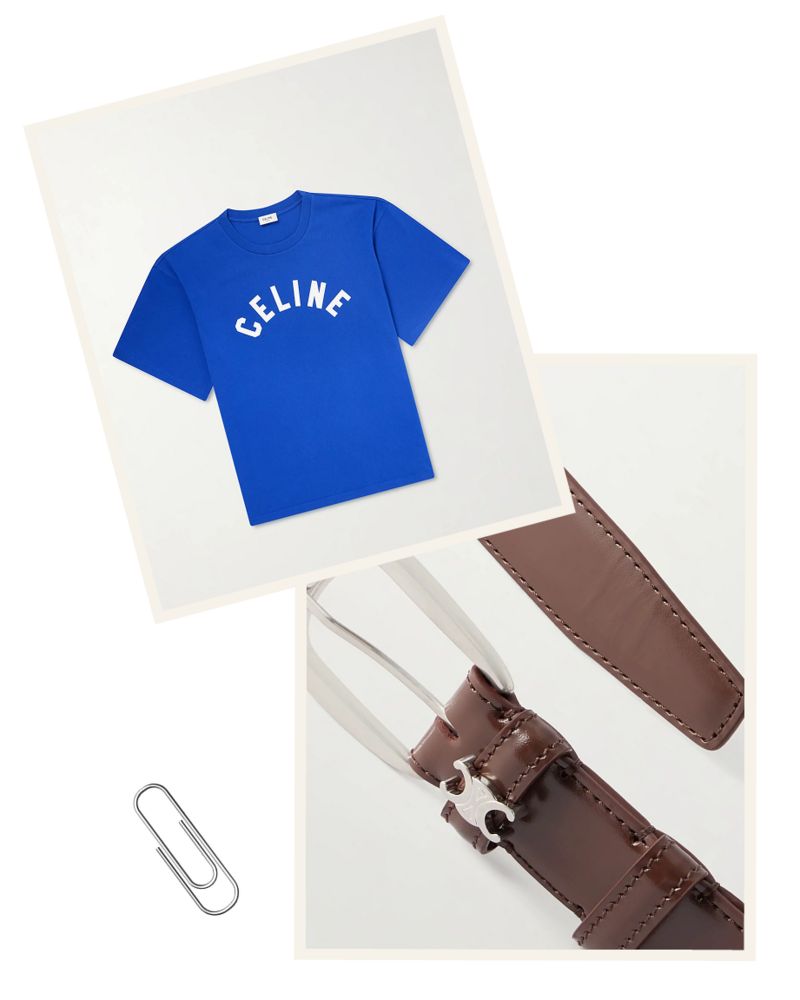
Founded in 1945 by Céline Vipiana, the house that we know today as CELINE owes much to the subsequent creative directors. From the iconic clean minimalism of Phoebe Philo’s nine-year tenure to Hedi Slimane’s rock-’n’-roll sensibility, built on skinny tailoring, leather jackets and a distinctly Parisian nightlife energy. Currently at the helm is Michael Rider, whose design philosophy borrows from his long stint at the house. A brand that’s shape-shifted more than most, but that has never lost its presence.
Bleu de Chauffe
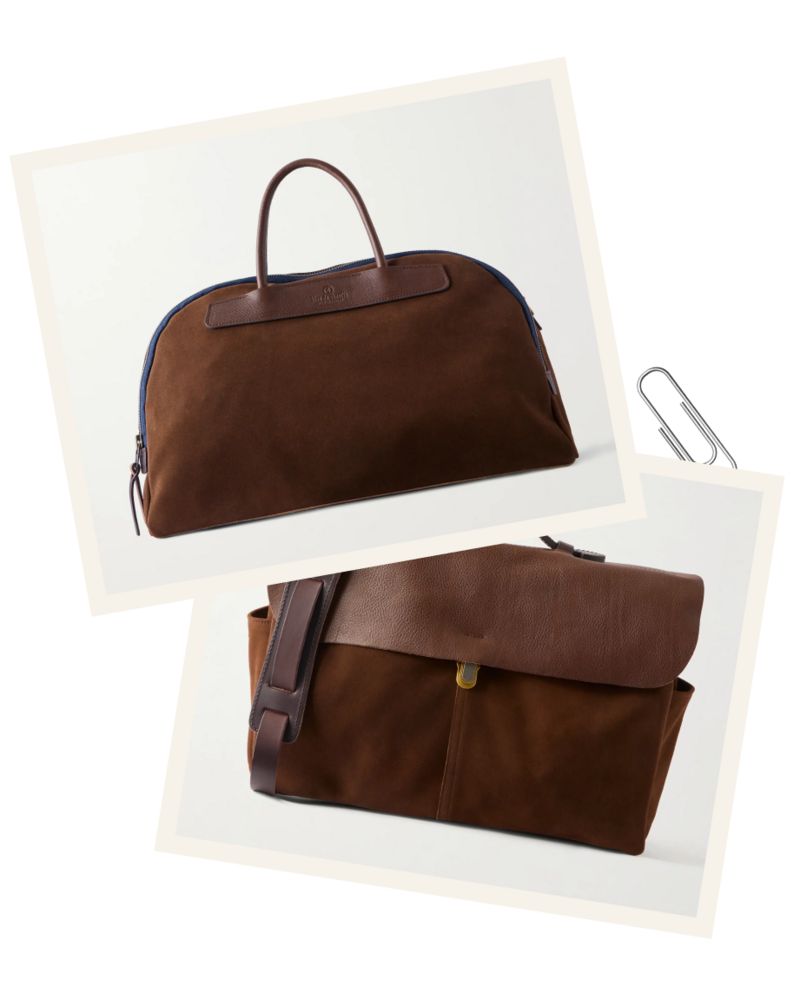
The brand’s name refers to the blue workwear jacket worn by French train drivers in the 19th and 20th centuries, but it handcrafts wonderfully hardy work bags in its workshop in Aveyron in the south of France. It champions ethical production and minimises its environmental impact, with initiatives including a shorter working week, a one-line manufacturing process – all artisans are trained to master every step required to make a Bleu De Chauffe bag – and an open-access permaculture vegetable garden on site.
Jacquemus
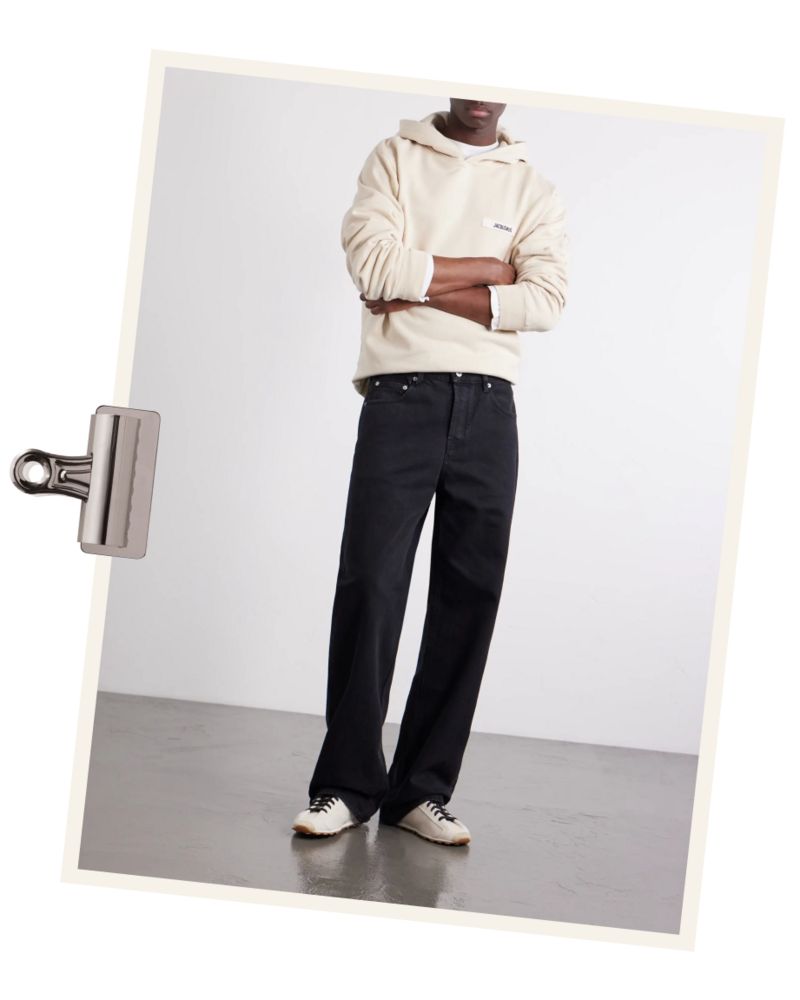
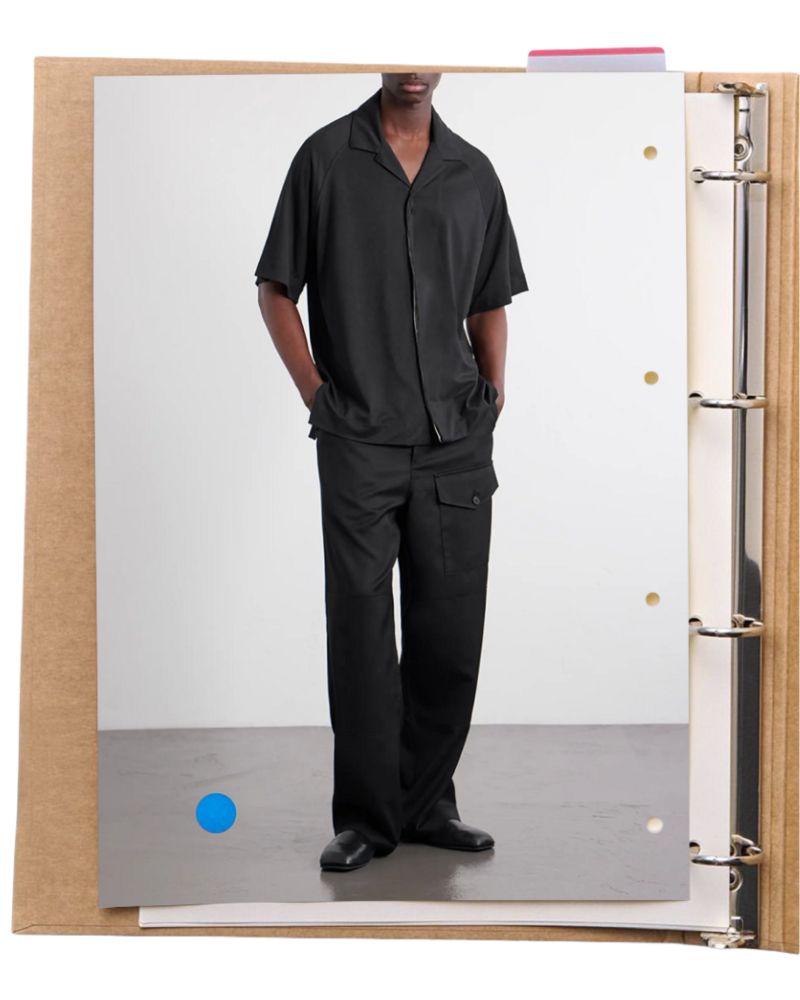
The Provençal designer Simon Porte Jacquemus launched his label in 2009 and his ironic, light-hearted touch remains a breath of fresh air. For the forthcoming collection, shown in January at Paris’s Musée Picasso, the designer traded his usual pastoral references for a wink towards eveningwear, with smoking jackets styled alongside boxer-style shorts and blousons finished with playful, feather-flecked polka dots. A confident, tongue-in-cheek approach to directional suiting and outerwear comes as standard with this brand.
Hartford
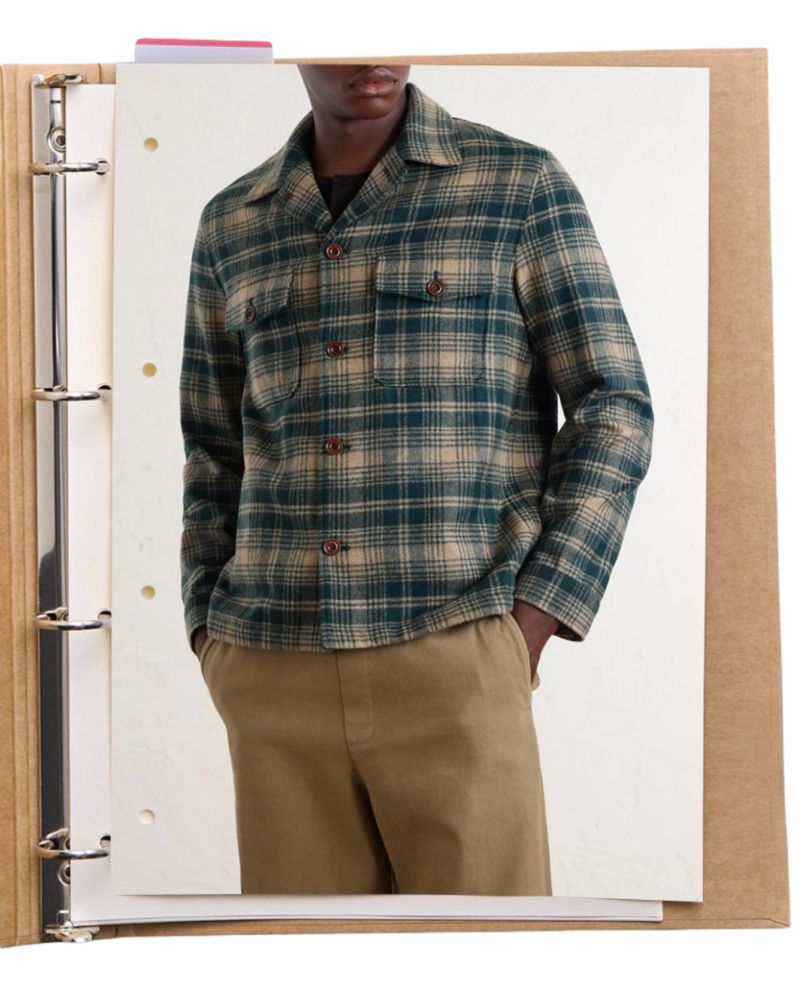
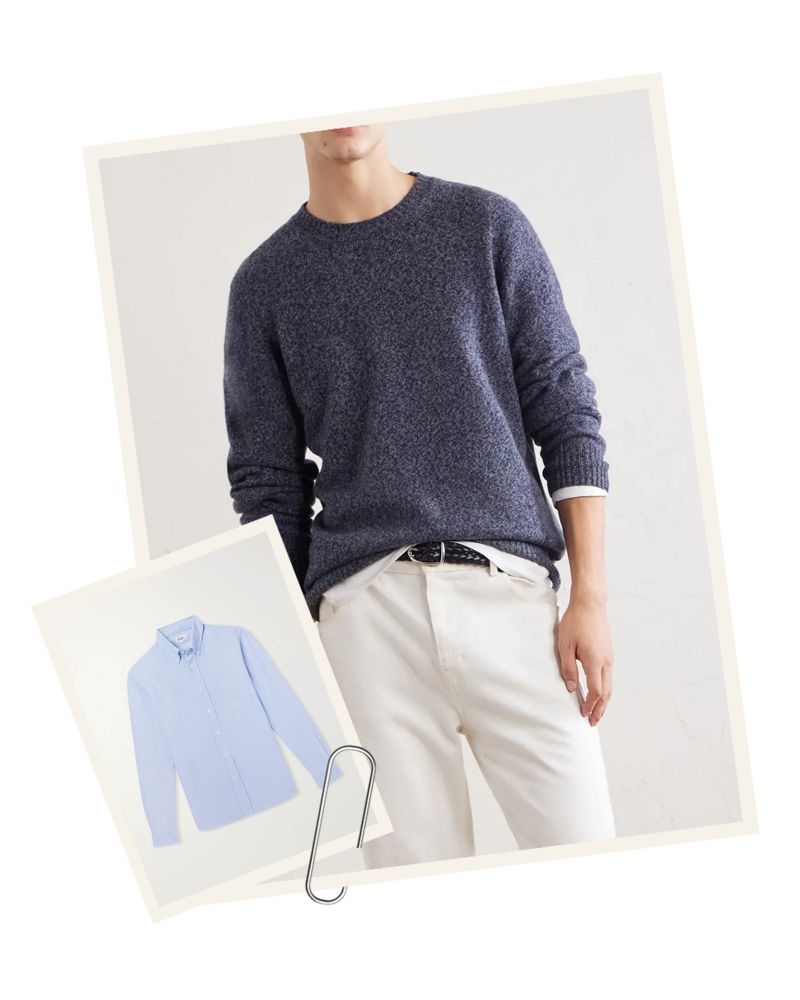
Founded in 1979 by Yves Chareton, Hartford’s founding mission was to reinterpret the casual stylings of the US West Coast with a European twist. Since he was sold old swatches of Oxford and chambray fabric by a New York manufacturer, Chareton hasn’t looked back. The fabric went on to inspire the first Hartford shirt. Today, the brand’s collections are filled with “alternative classics”, a mash-up of timeless cuts, premium fabrics (sourced from brands such as Albini, Maruwa and Liberty) and humorous, unexpected details such as Hawaiian dancers embroidered on a shirt or Tahitian flowers on swim shorts.
J.M. Weston
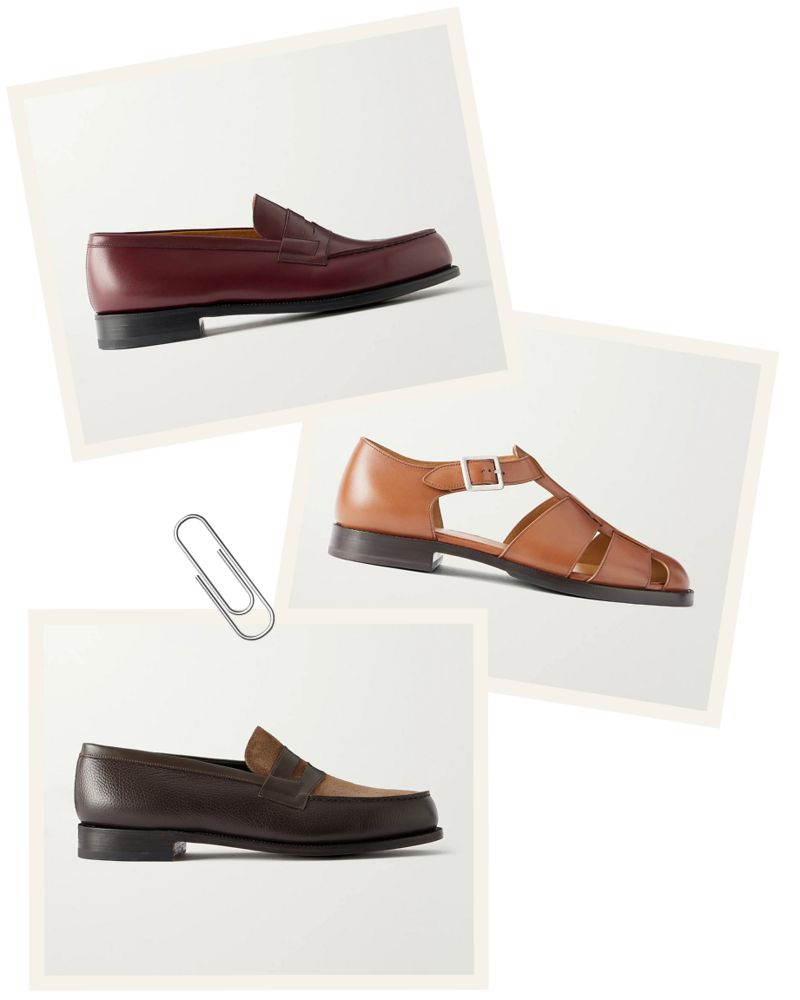
One of France’s foremost shoemakers, J.M. Weston is perhaps best known for its penny loafers, which were de rigueur among stylish Parisian teenagers, known as the Bande du Drugstore, in the 1960s. Since then, its production facility in Limoges, which uses traditional techniques and premium leather, has expanded into sneakers and lug-soled Derby shoes.
LEMAIRE
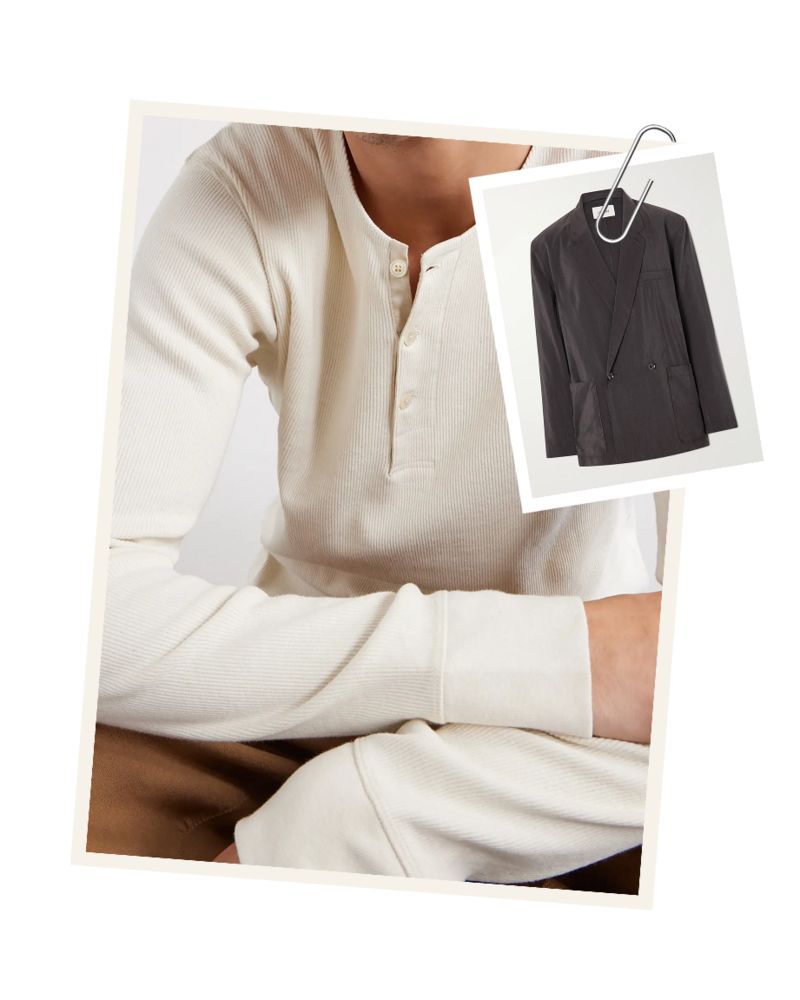
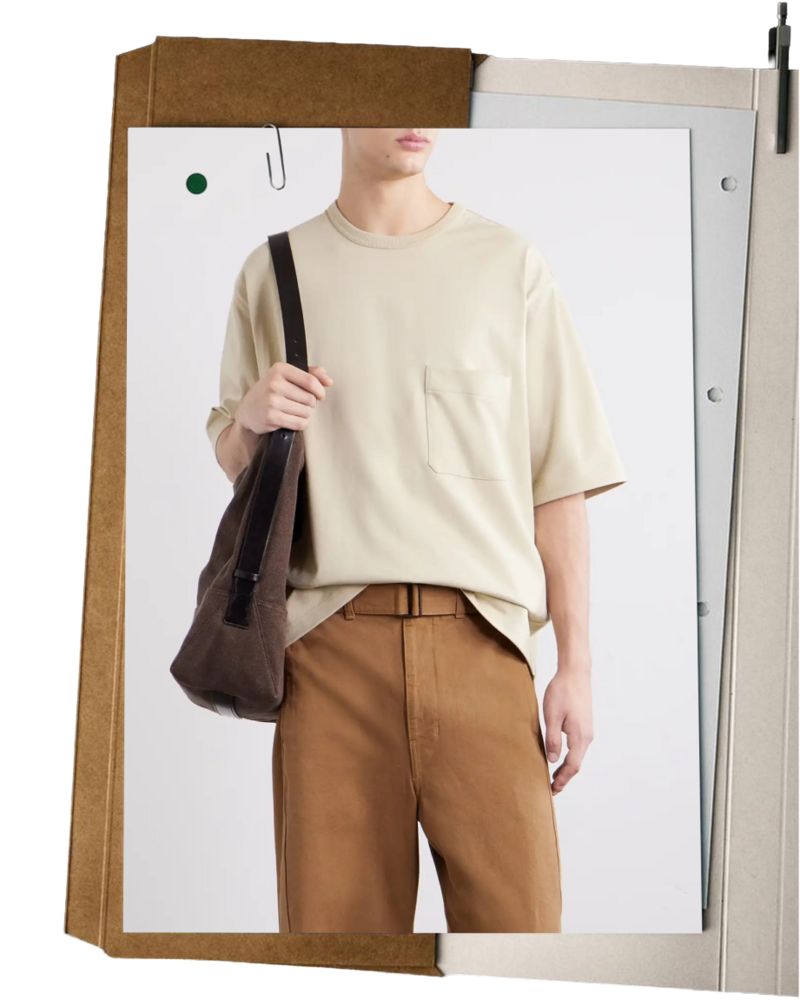
Headed by Christophe Lemaire and Sarah-Linh Tran, LEMAIRE represents a “timeless Parisian style that is cosmopolitan, sophisticated and rich in influences”. And there’s more to it than its cult bags. Its ethos revolves around the idea of a modular wardrobe comprising pieces from different seasons and collections that can be styled together. With an unwavering commitment to quality and local craftsmanship, LEMAIRE designs and develops its designs in its atelier in the Marias, the fashionable 4th arrondissement in Paris. All the fabrics for its collections are sourced in Europe (where 90 per cent of its production takes place) and Japan.
Husbands
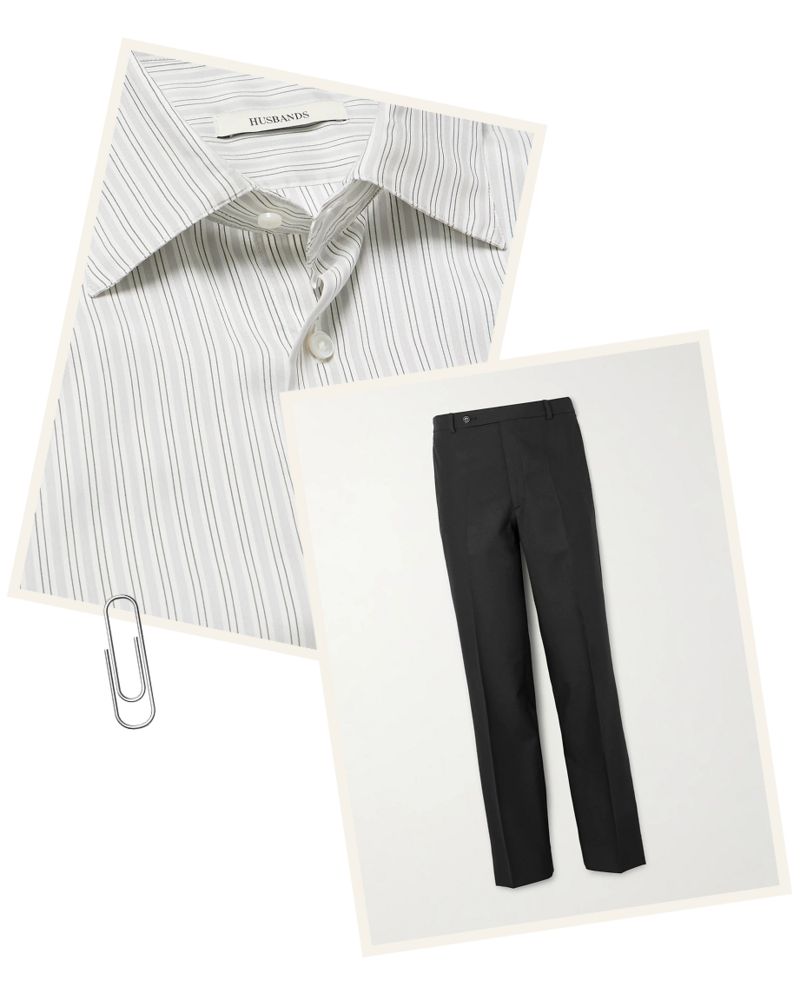
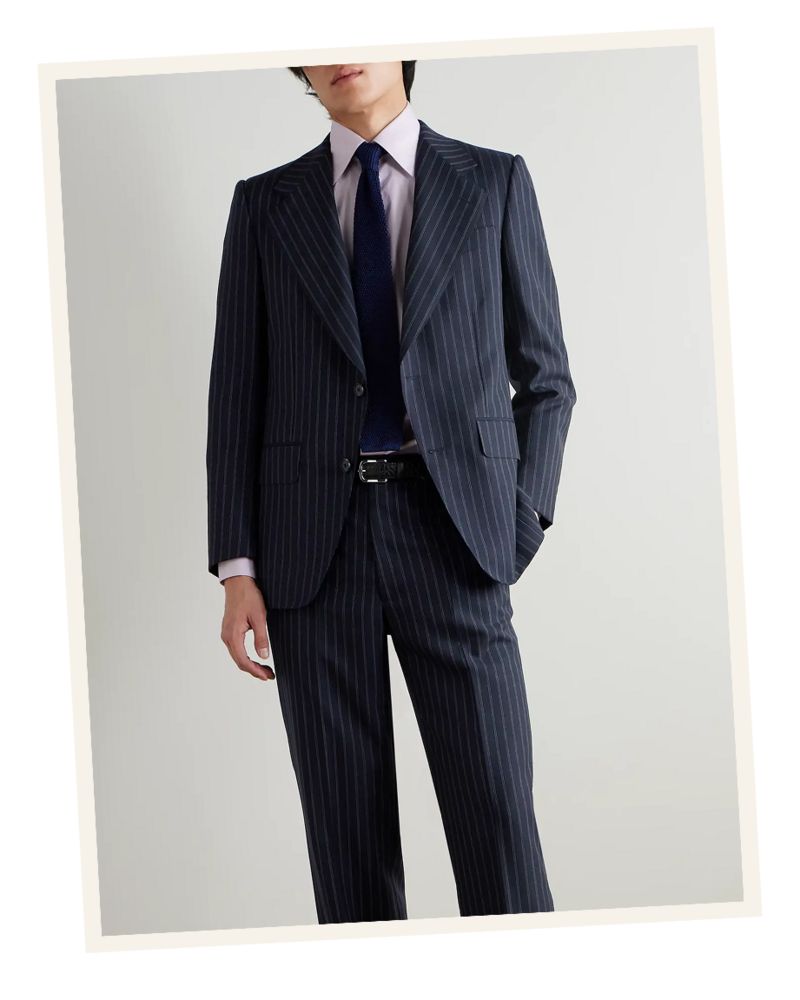
“Tailoring is about having fun,” Nicolas Gabard, the founder of the Parisian suit maker Husbands, recently told us. “If you are guided by the right person, it could be a moment of full expression.” And if your mood board features the likes of Serge Gainsbourg, David Bowie and Samuel Beckett, then Gabard might just be that right person. The Husbands cut is sharp, with strong shoulders and an elongated drape. It pushes the silhouette towards a 1970s cinematic vision of masculinity, but without feeling like a costume.
A.P.C.
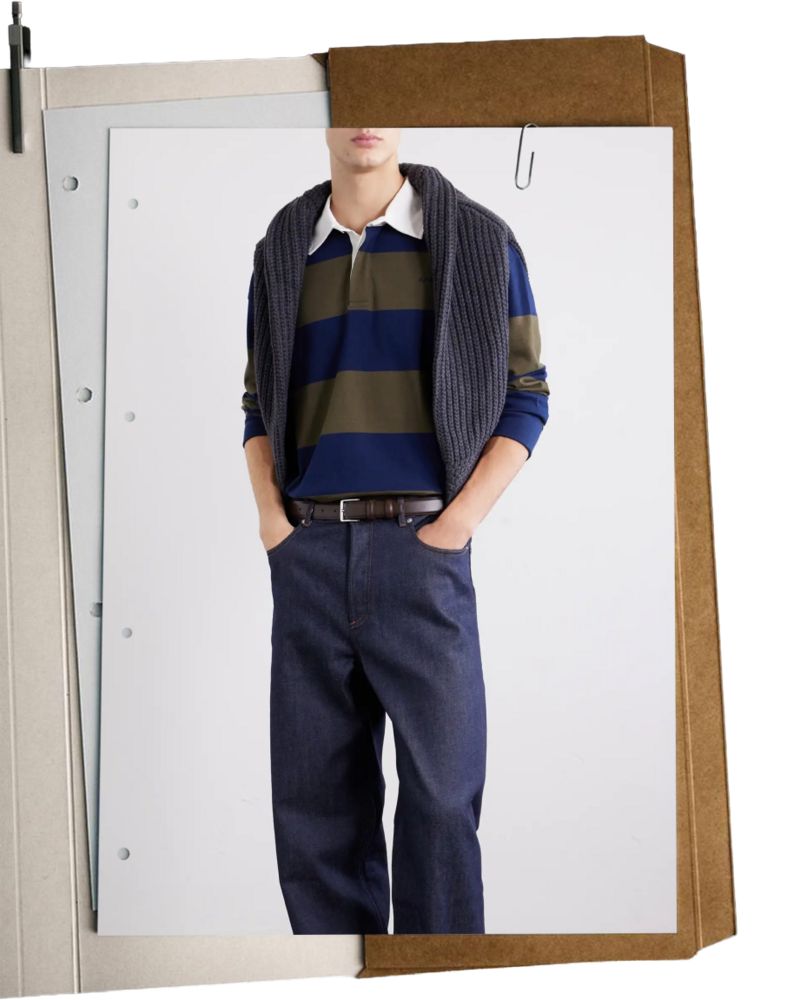
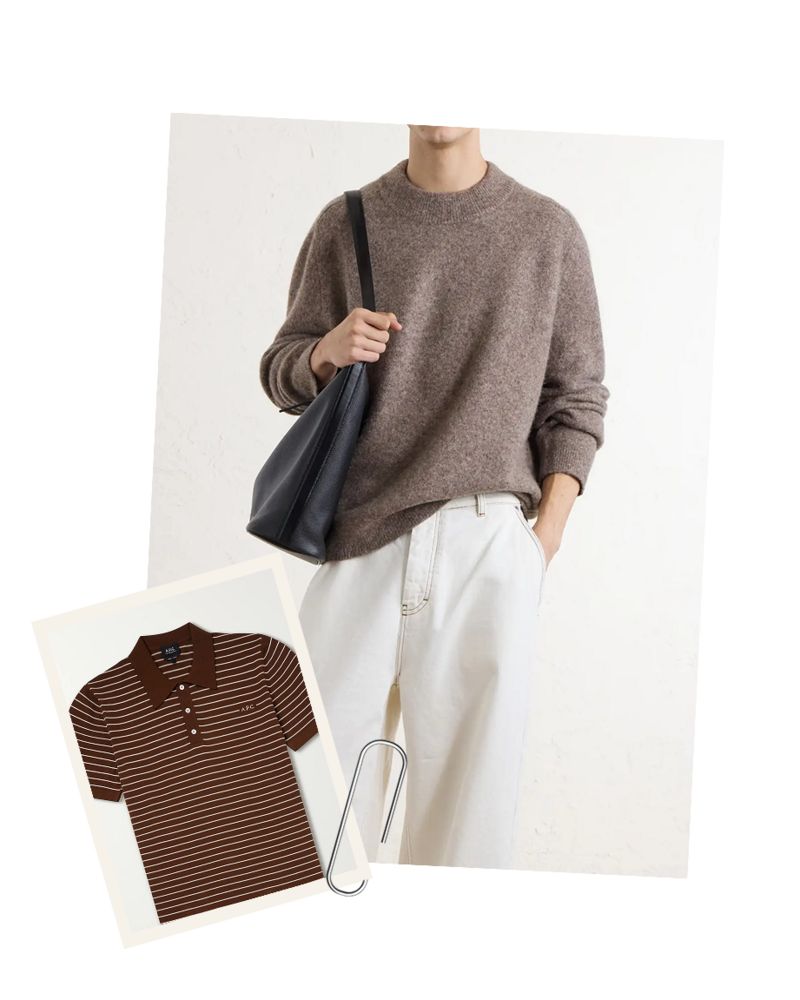
A.P.C. was founded in 1987 by Jean Touitou. Its name – Atelier de Production et de Création – tells you most of what you need to know. It’s a brand built on process rather than performance. Simple, easy-to-wear pieces, first designed to contrast the 1980s maximalism, are now its calling card. Updated classics such as raw Japanese denim, utility overshirts and knitwear, all made with the kind of refined French restraint that transcends trends entirely.
Givenchy
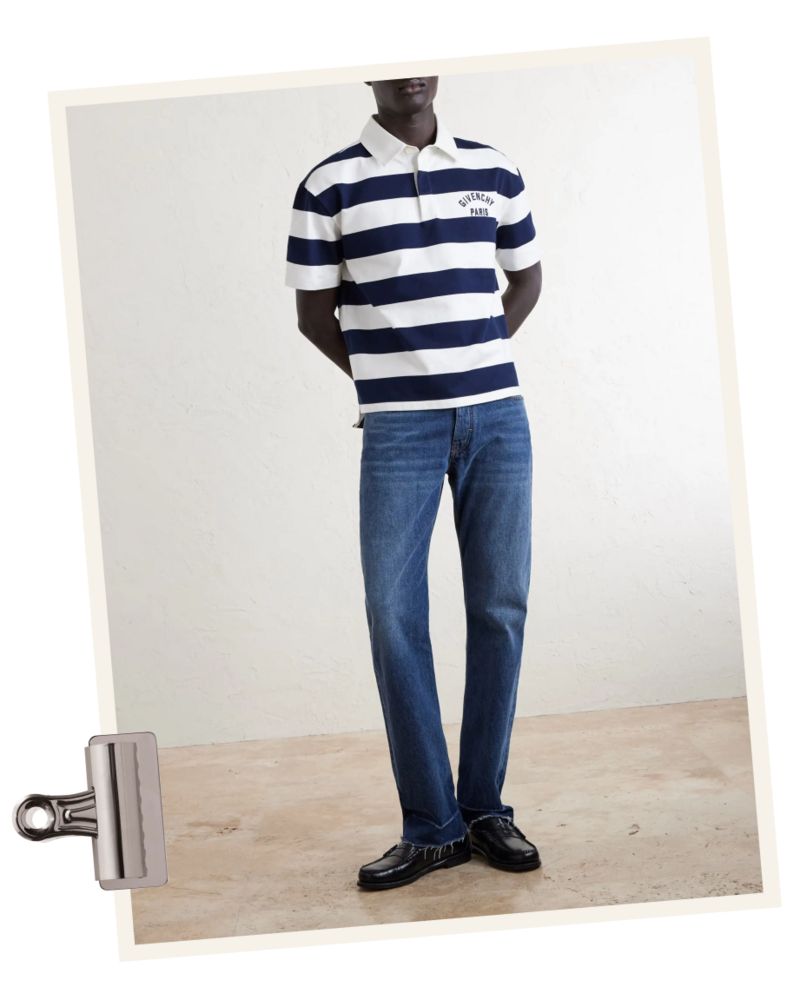
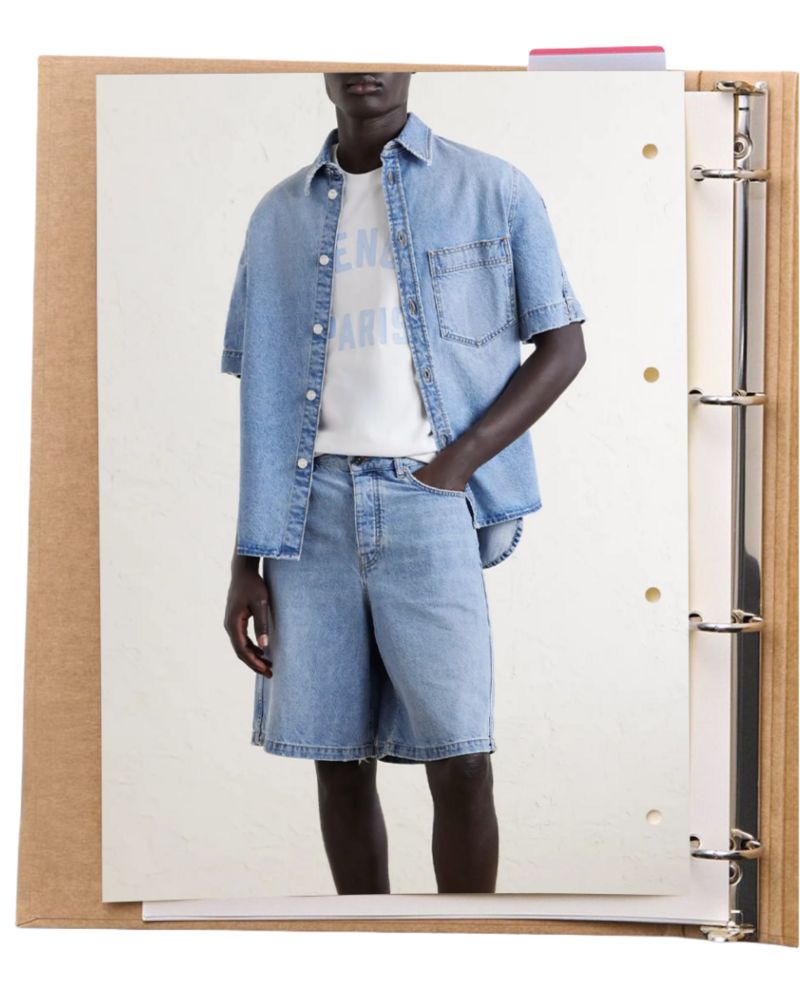
Founded in 1952 and branching into menswear in 1969, Givenchy has done much to define what Parisian style actually is. Under Sarah Burton, the maison has returned to refined tailoring with a couture hook. The collection tracks towards the accessible over the directional, although there’s still a soft spot for the cutting edge – take the red leather tracksuits that Timothée Chalamet could be seen wearing while promoting Marty Supreme.