THE JOURNAL

Sometimes, a rotation of shoes can become a paradox of choice. Too many options only increase the likelihood of being caught on the wrong foot. But if there’s one style of shoe that will see you through most situations, it’s a loafer – the Ivy-style slip-on silhouette that goes with everything. This effortless shoe can take you to both casual and formal occasions. It’s the footwear that every man should own. And as a proven classic dating back to the early 20th century, it’s here for life.
“Loafers are the perfect way to elevate an outfit without fully committing to a formal shoe,” says Kit Swann, MR PORTER’s Fashion Editor. It’s nonchalant yet sophisticated. And it says, “hey, I care about my style”, without doing too much, as the content creator Drew Joiner puts it.
“It’s always been a casual shoe,” says Benedict Browne, MR PORTER’s Style Director. “[Loafers] were designed and made for gentlemen to loaf around the house in – but were soon adopted into formal business attire. They offer the best of both worlds, as a result, and have been embraced by so many subcultures and style sets that they’re accepted in any scenario.”
01. A penny for every day


For your casual everyday wear, “it’s got to be the penny loafer,” Browne says. “A real staple piece, the design is modest and stylish. They are very easy to work into outfits for any occasion.”
The penny style was introduced by G.H. BASS in the mid-1930s, coined the Weejuns in homage to a similar style of moccasin worn in Norway. The Weejuns had a slip-on silhouette with a strap over the upper that featured a diamond-shaped cut-out. The shoe – popularised in the 1950s by Ivy League students – later adopted the name “penny loafer” because you could fit pennies for payphones in the diamond cut-out.
“For me, loafers are most effective when worn casually with jeans,” Swann says. “A loafer-and-jean combination adds a nice contrast to an outfit and brings something a little unexpected.”
02. Take it a step further
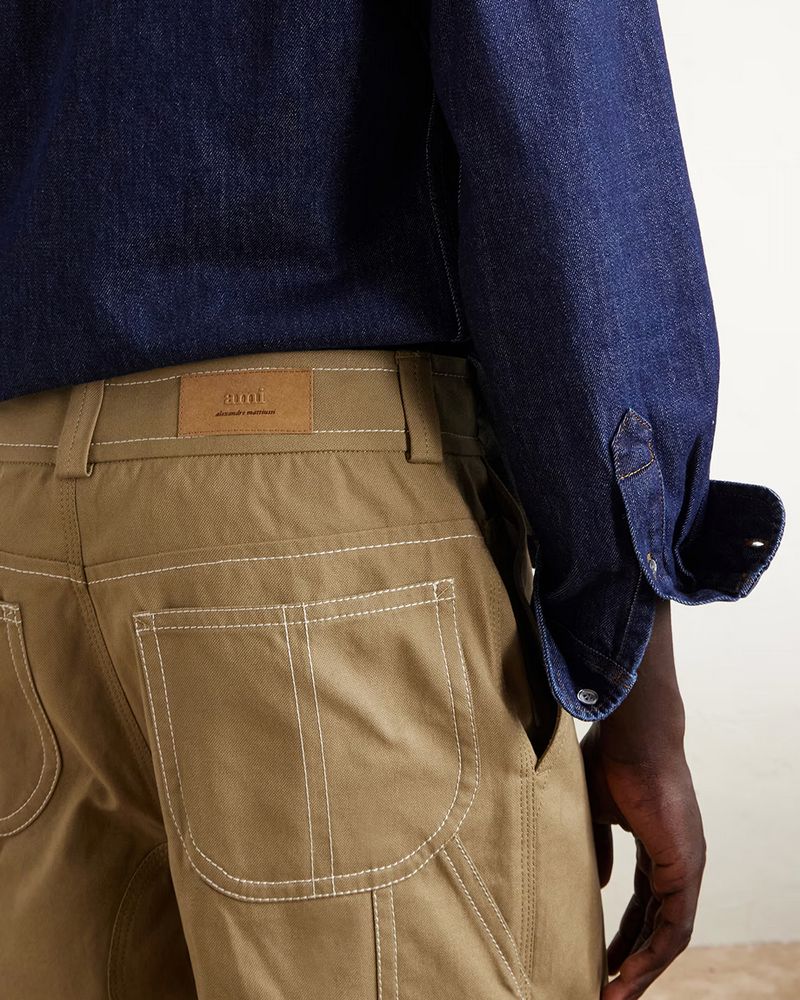
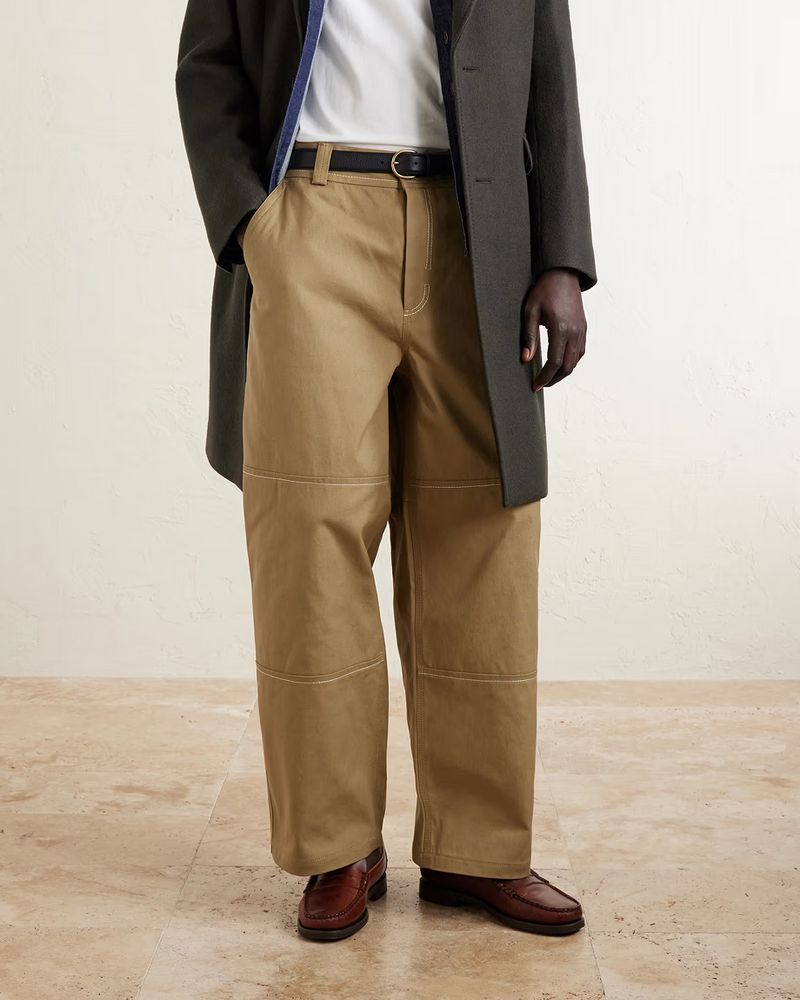
When it comes to loafers, another reason your off-duty wardrobe is a good place to start is that there are fewer rules. And even those rules can be broken – if you know how.
One example of this is the “wrong-shoe theory”, whereby a shoe that clashes the rest of your outfit can make the whole ensemble more interesting. The loafer is perfect for this. As the brand consultant and YouTube creator Kiki Agbor has suggested, styling loafers with sweatpants or cargos “can make an outfit look more playful and curated”.
But you can also stay with the casually prep attire that loafers were designed for. Swann suggests opting for tailored wide-leg trousers, although he advises to stick with “a wide loafer, so that it works with the width of the trouser. Black is the easiest to wear, and feels more contemporary than brown,” he says. You can pair it with calf-length socks, or a slouchy cashmere option for the winter.
03. Dress them up
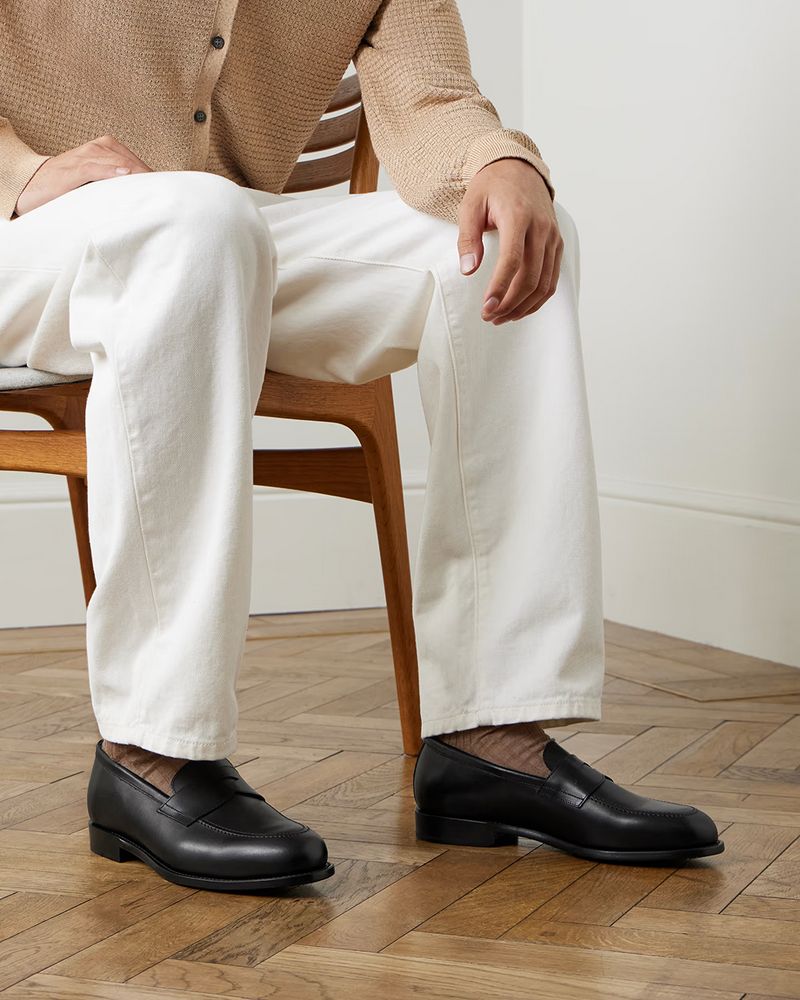
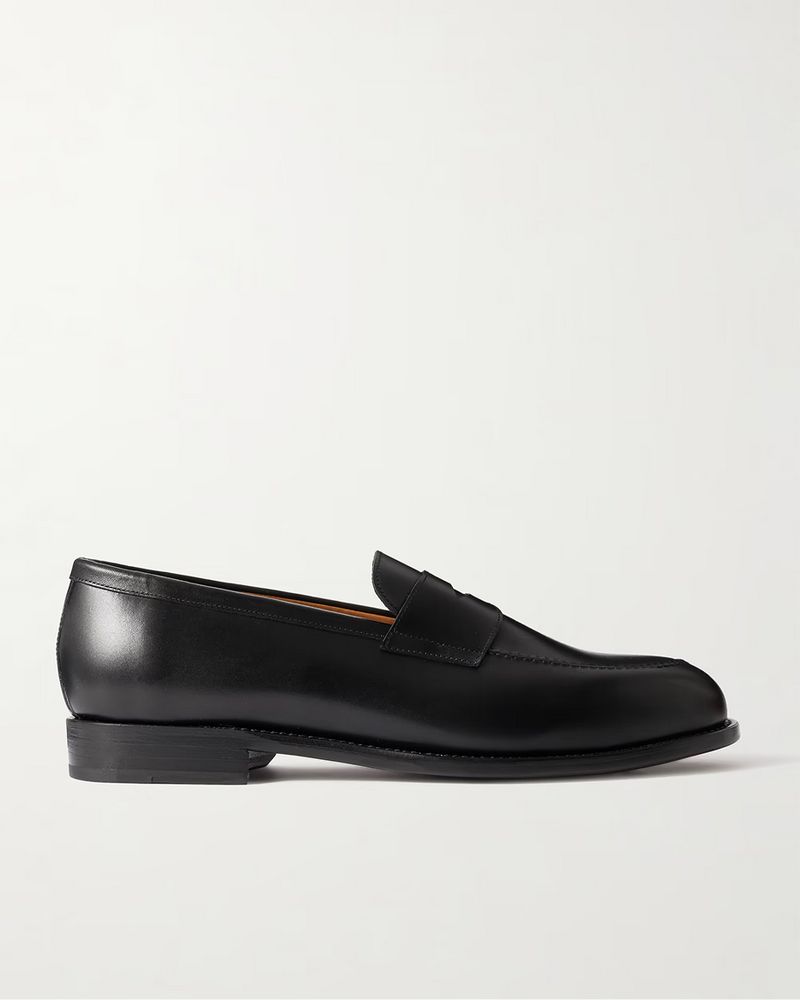
Just because loafers offer a more laid-back vibe, it doesn’t mean that you can’t wear them for more formal events. “Weddings, yes; black tie, no – if you’re being a stickler for the rules,” Browne says. And follow your suit’s palette, he adds. “As a rule of thumb, the darker the suit, the darker the loafer and vice versa. Wearing black loafers with a cream linen suit would look odd – the same with ecru suede and a navy suit.”
Browne recommends Edward Green’s Piccadilly loafer. “I’ve visited its workshop and the attention to detail and precision is remarkable,” he says. He also points to John Lobb’s Lopez style. “Or at a more accessible price point, look at MORJAS. With Scandinavian minimalism, they can do work and play in equal measure.”
You can also add some shine to your outfit with the right details. “A horsebit loafer would be my personal go-to for a formal occasion,” Swann says. “An all-black shoe may seem like the obvious choice, but the extra embellishment feels right in formal settings. It also brings the opportunity to match your jewellery with more of your outfit.” Go for the classic Gucci Horsebit 1953 or George Cleverley’s Horsebit model.
04. Know where to invest
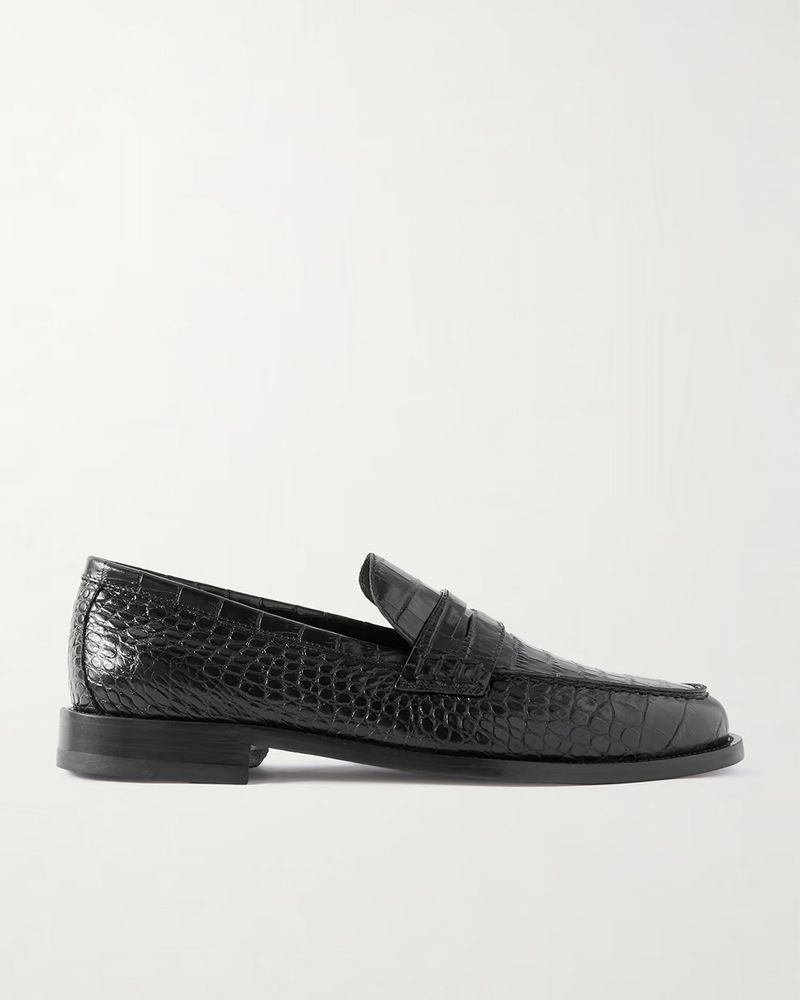
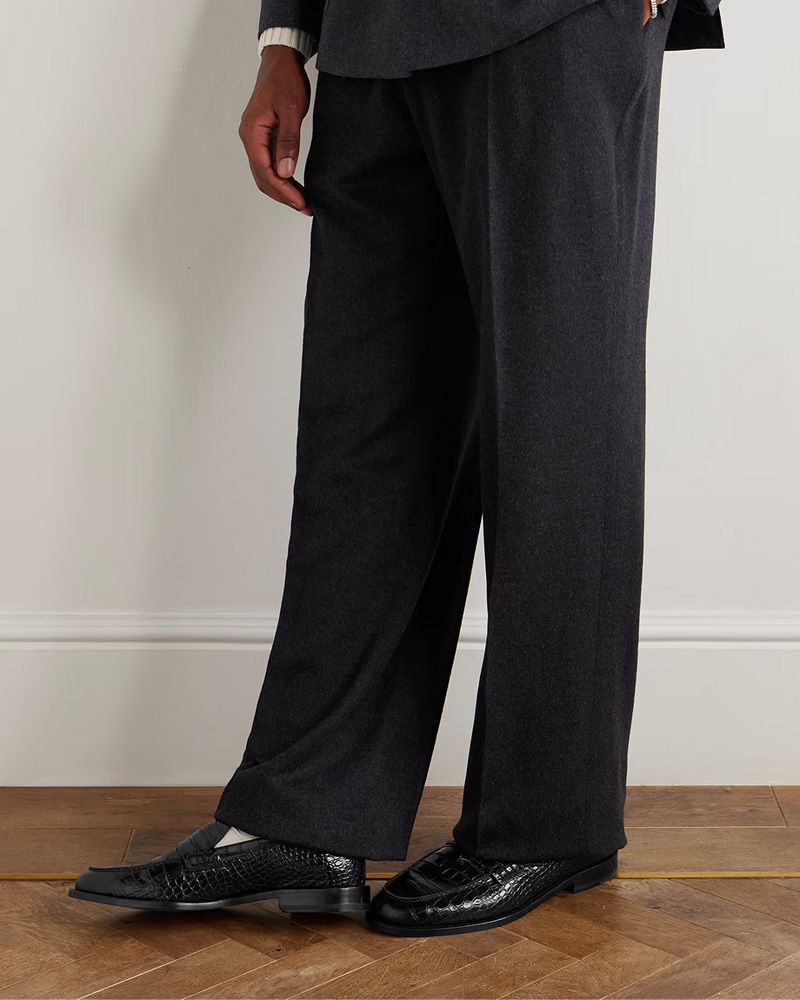
The loafer is a classic, so, if you take care of them, a pair should last you a lifetime. It’s also wise to look to heritage brands when you decide to invest in “the one”, Swann says. “Shoe brands with years of experience behind them – you want to know that the people who are making your loafers know how to do it and do it well. Loafers are often made by hand, which adds an extra layer of value and quality to what you wear.”
As an indication of quality, Browne suggests you do some sole searching. “A Goodyear welt is a sign of craftsmanship and ensures the shoes can be re-soled,” he says. “Providing the leather is of a high quality, these can easily last 20 to 30 years with regular wear.”
As for maintenance, a leather-care regimen that includes cleansing, moisturising and polishing the leather will keep your shoes in the best condition. Invest in a shoe-care kit and your loafers will thank you.
05. Make a statement
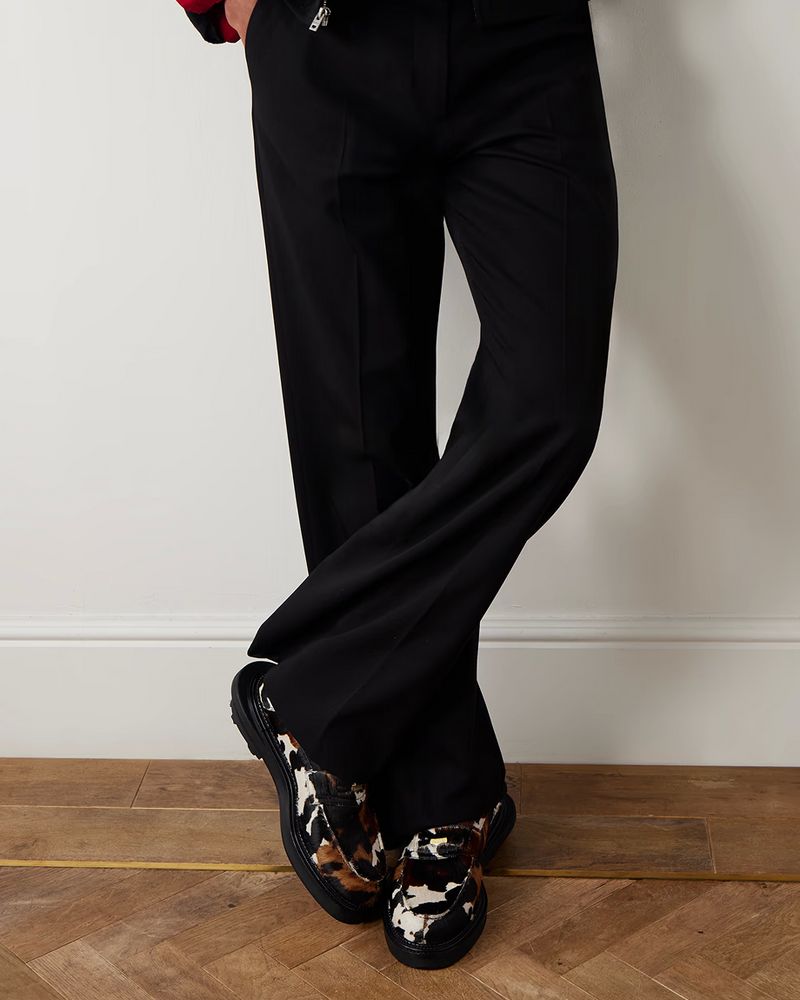
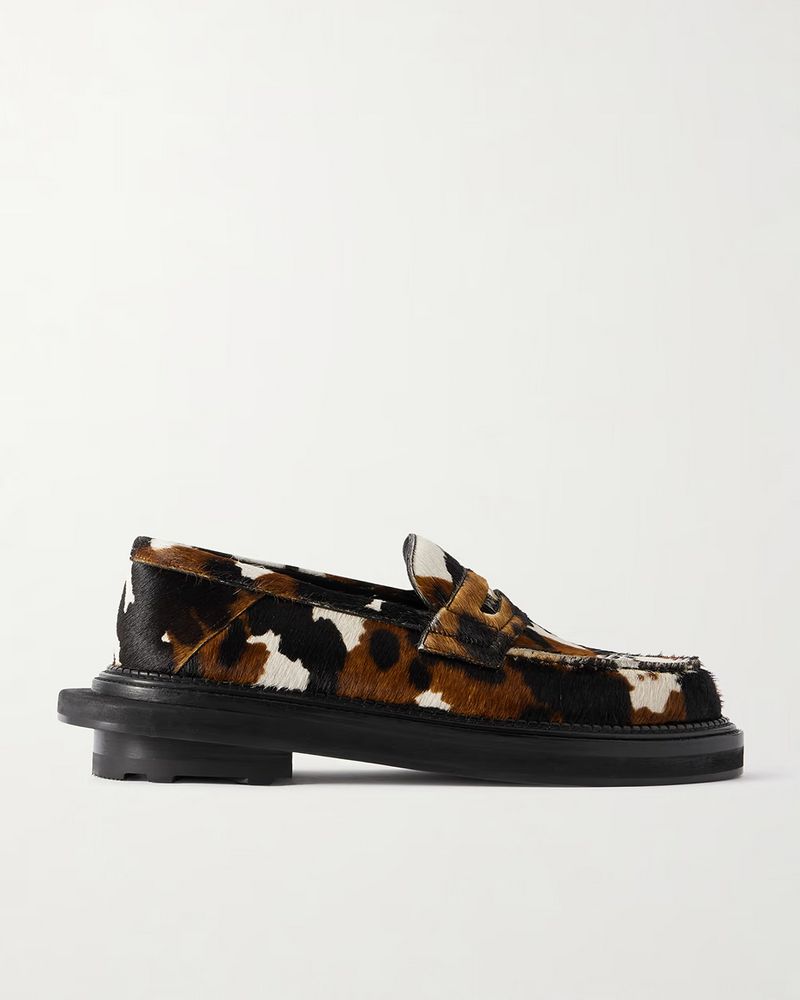
“For loafers that are less traditional in style, you can push how far you’re willing to go,” Swann says. Whether it’s a standout embellishment, a bold silhouette such as the Maison Margiela Tabis or the New Balance sneaker-loafer hybrids, a vibrant colour or a tassel, it’s important to let the shoe breathe and shine through.
“If the loafer has something to say, lean into that rather than make the outfit loud,” Browne says. “Too many items battling for attention often doesn’t work.”