THE JOURNAL

Over the past few weeks, visvim has found itself on some very famous guys. Robert Pattinson has been wearing it. Timothée Chalamet, too. And, inevitably, a new group of menswearheads are googling the brand, seeing the prices and wondering what exactly they’re missing. For anyone who has been into the Japanese label for a while, though, the idea that it’s suddenly “back” doesn’t really compute. “There’s no rediscovering with them,” says Ste Wing, a Manchester-based creative director and longtime visvim fan. “If you know them and appreciate them, then you know.”
That might sound a little gatekeepy – Wing’s thoughts on people who only know visvim as the expensive Japanese brand celebrities wear is simply that “they don’t deserve to know” – but it gets at something important. The label has spent 25 years doing almost everything you’re told not to do if you want to stay relevant in fashion. It doesn’t radically reinvent itself every season. It doesn’t jump onto whatever silhouette is suddenly filling your FYP. Its clothes are expensive, often difficult to find and, unless you’re familiar with them, not necessarily immediately identifiable as visvim at all. And yet people are really into it.
Hiroki Nakamura founded visvim in 2001, building a brand that mixed Japanese craftsmanship with vintage Americana, workwear, military clothing and Native American references. The FBT, its moccasin-inspired sneaker, became one of its earliest signatures, but over time, its world has expanded far beyond footwear. The name visvim became as much about how something was made – the fabric, the dye, the construction, even how it would age – as how it actually looked.
“Beyond the craftsmanship and the materials they use, I believe Hiroki Nakamura can really make people feel how passionate he is about his designs, his inspirations, the storytelling and the colour palettes,” says Thierry Tek, the creative director of Beautifully Said. “Visvim doesn’t change visual identity depending on seasons or trends. It always stays true to what it represents.”
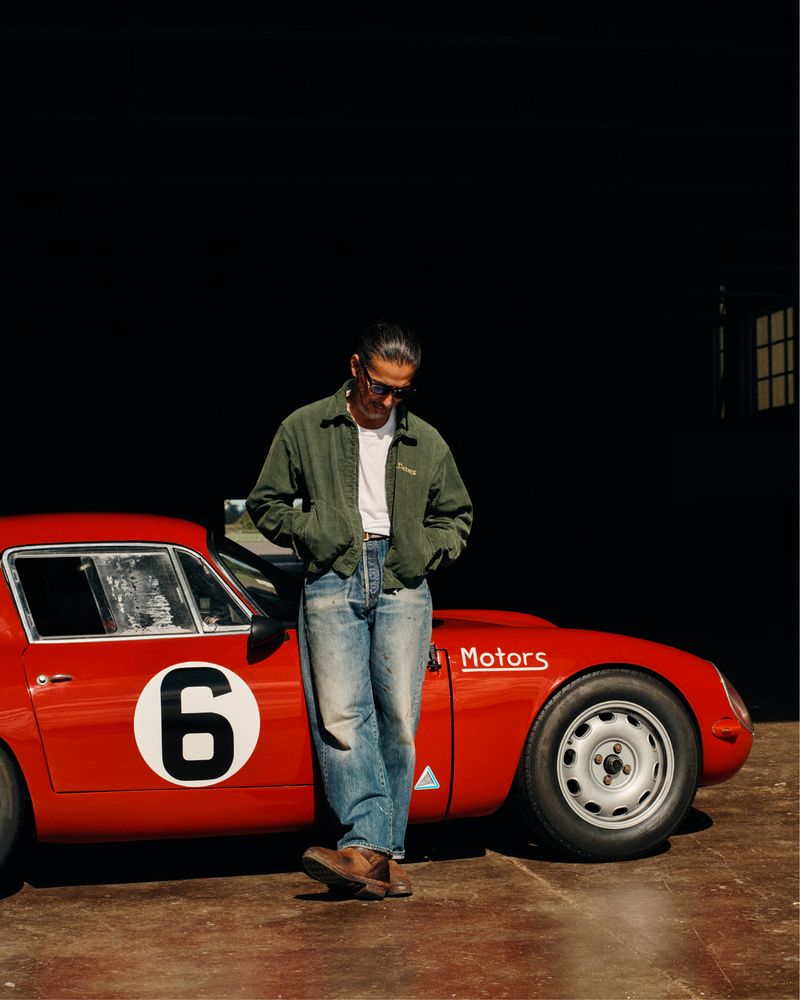

That consistency is a massive part of why a visvim jacket from 2012 can still look good in 2026. Tek argues that this has become more appealing as fashion has sped up. “I’ve seen brands appear just to satisfy temporary trends, or brands create entire collections for a ‘moment’,” he says. “Visvim offers the complete opposite experience. If you bought a visvim piece a decade ago, chances are you can pull it out in another 10 years and it won’t look dated.”
There’s also the fact that visvim tends to get better when it’s actually worn. The Yokohama-based stylist Brooke Crum, founder of The Foreign Finds, points to the secondhand market, where age isn’t necessarily something to be avoided. “The garments are designed to be worn, lived in and ultimately passed down,” she says. “There’s something increasingly desirable about finding a visvim piece secondhand that has already been worn and broken in by someone else. They age beautifully and it becomes part of the story of the garment, rather than diminishing its value.”
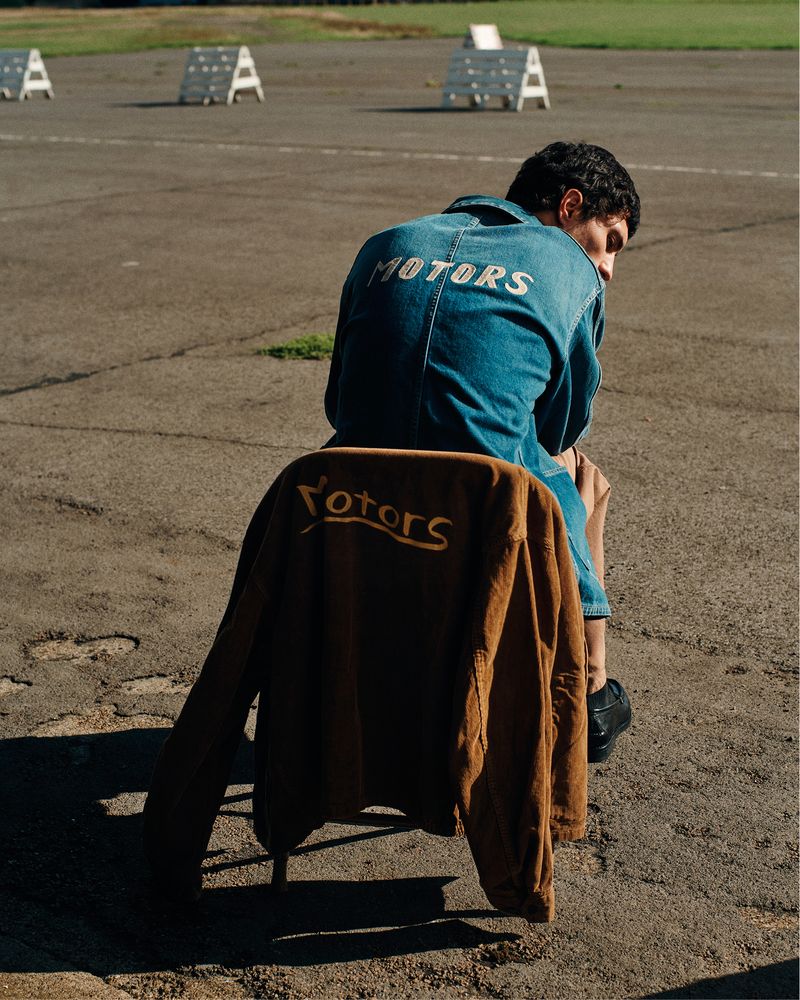
“Visvim doesn’t change visual identity depending on seasons or trends. It always stays true to what it represents”
That philosophy extends to the way visvim presents itself. Crum first properly encountered the label after moving to Japan in 2022, more than two decades after it launched. She says that experiencing it there is very different from encountering it through a screen. She points to its spaces in Omotesandō and Nakameguro, where vintage objects, footwear, furniture and even coffee are all part of the same universe.
“You step inside and it feels like you’re walking into someone’s home,” she says. “The atmosphere doesn’t feel like they’re trying to sell you something. Instead, they want you to appreciate the experience they’ve curated.”
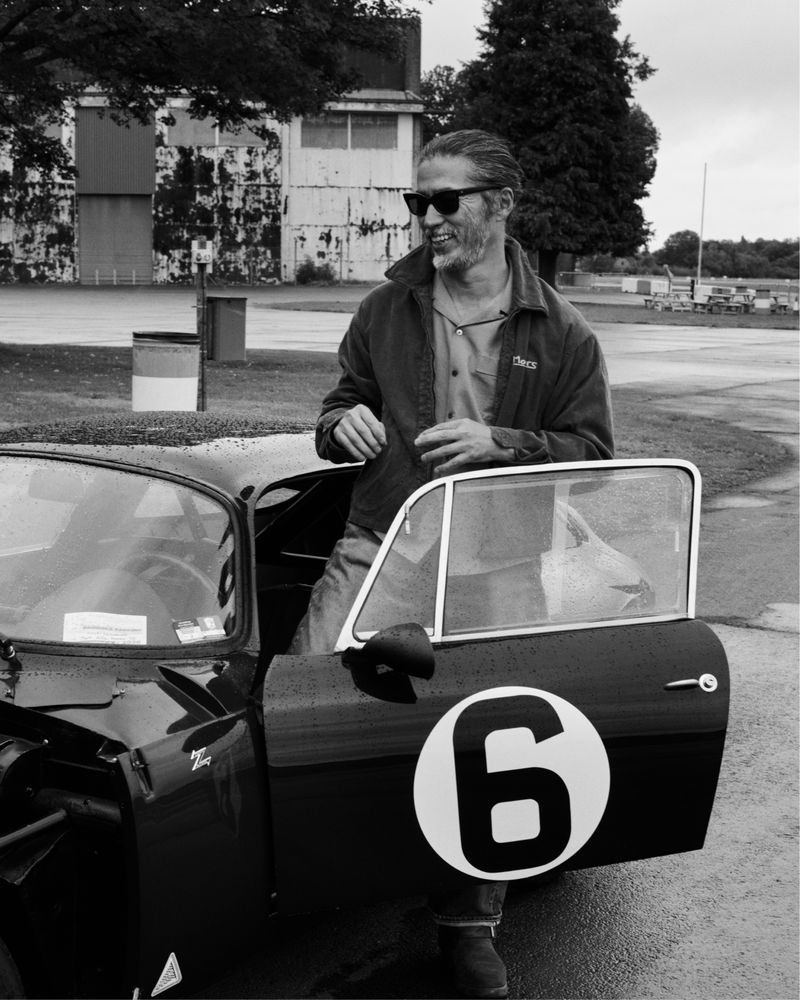
It’s probably why the label inspires a particular kind of loyalty. Tek describes it as a “sense of belonging”, while Wing says that even a single piece can set an outfit apart without “the brand or logo in view”. There are obvious signatures if you know what you’re looking at, but visvim doesn’t require a massive logo across the chest to announce itself. The people who care will notice anyway.
And those people aren’t necessarily the same ones who cared 10 or 20 years ago. “As consumers, we grow,” Tek says. “Our taste develops. Visvim doesn’t depend on trends, so there isn’t real ‘hype’ that appears or disappears.” Instead, he argues, people simply arrive at it at different points.
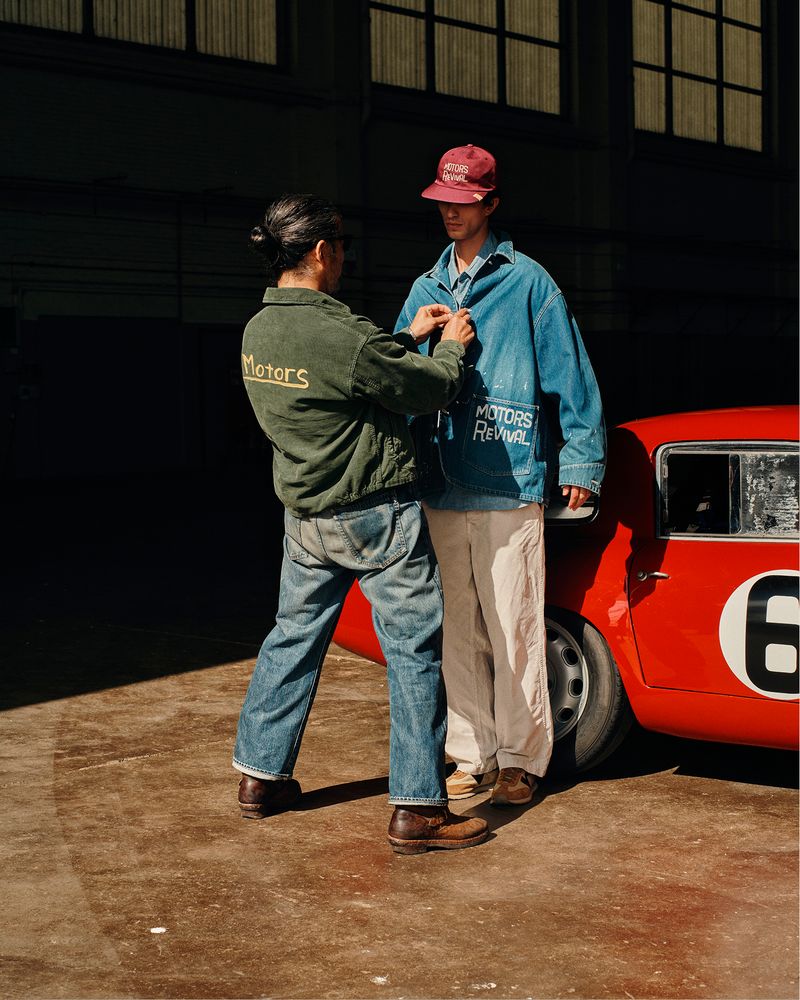
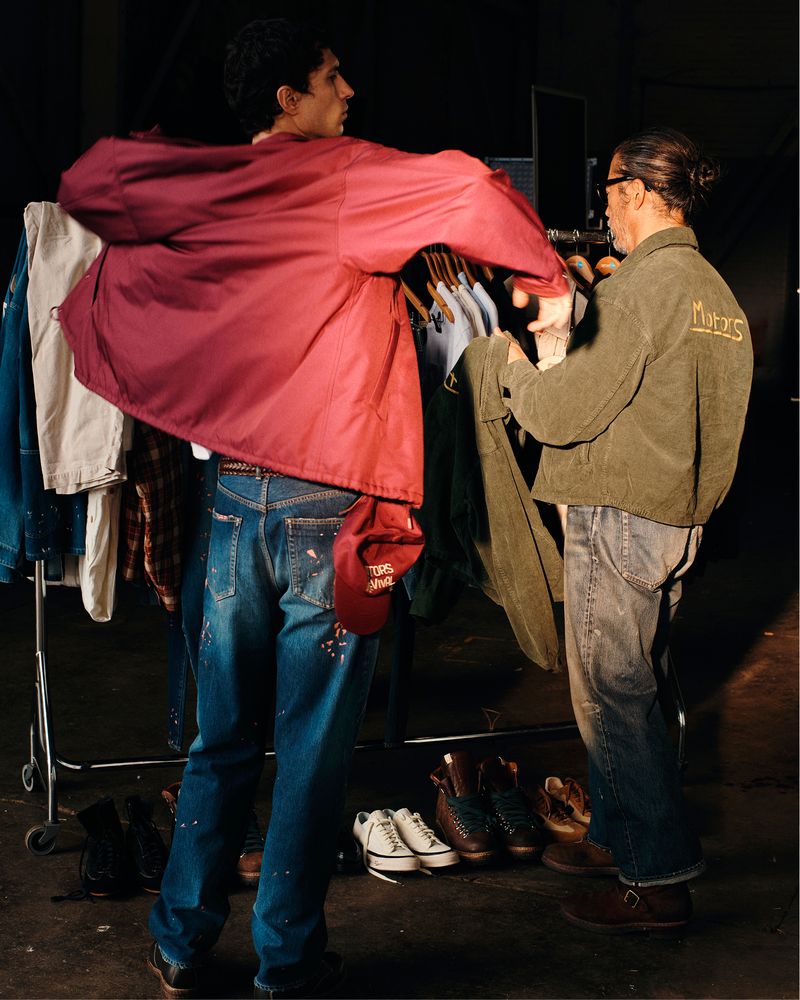
That might be the best explanation for why visvim keeps seemingly coming back. Pattinson and Chalamet can put it in front of a few million more eyeballs, but they’re not dragging some forgotten brand out of the archive. They’re just the latest entry point into something that’s been quietly ticking along the entire time.
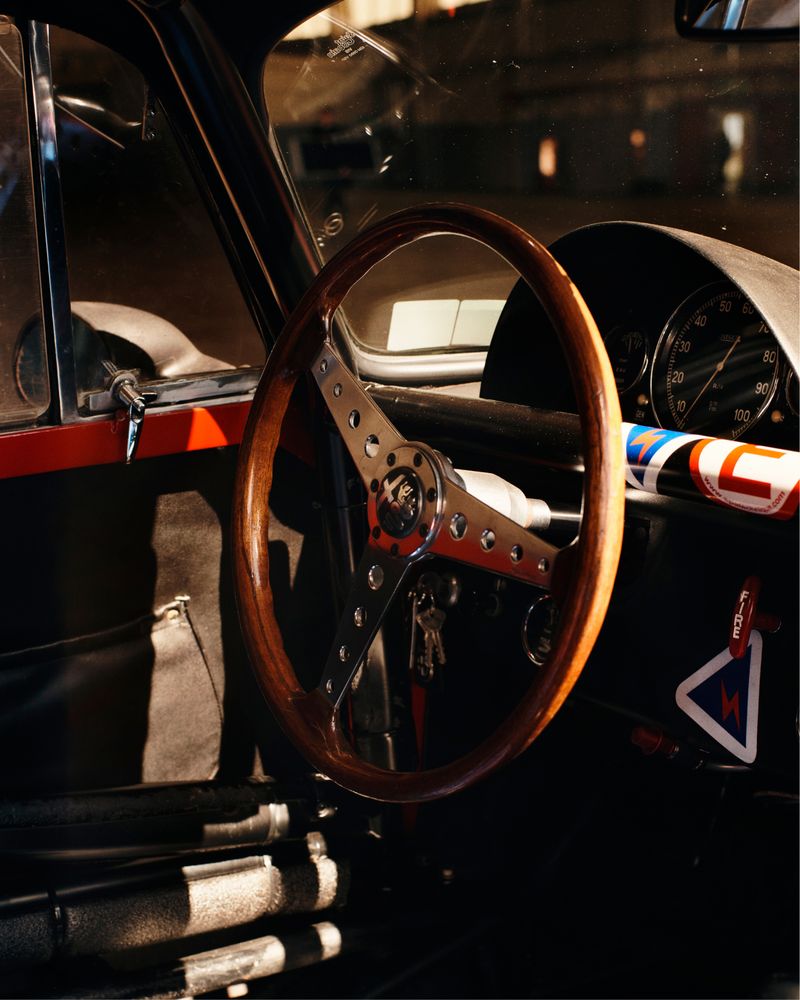
Which brings us to visvim’s latest project. MR PORTER has teamed up with Nakamura on an exclusive 27-piece automotive-inspired collection, drawing on the designer’s well-documented love of cars and motorsport. It feels very visvim and very Nakamura: take something he’s completely obsessed with, disappear deep into the details and make some very nice clothes out of it.
A quarter of a century in, the rest of menswear is still catching up.