THE JOURNAL

Looking put-together in 30ºC heat can feel like starting something new on a Friday afternoon: admirable in theory; a big ask in practice. When temperatures rise, the instinct is to strip back – shorts, T-shirt, sandals – which usually comes at the expense of polish. But it doesn’t have to be that way. And, increasingly, it isn’t.
With destination weddings and work travel becoming more commonplace, looking smart while being comfortable has never been more relevant. How, then, do you dress smart in the heat without defaulting to full casual? The answer lies in a softer approach to tailoring. A relaxed alternative to the structured designs of previous years, today’s lighter suiting is created to move with you. It provides breathability, withstands warm climates and will continue to look fresh over long periods of time.
Naturally, the styling around this has evolved, too. It’s not all about the crisp, structured cotton shirt anymore. Designers such as Mr P. are turning to more intelligent fabrics and relaxed combinations. Across recent collections, we’ve also seen it swapped out for innovative polos, tanks or delicate, light-gauge knits, bringing ease to formal dressing.
On those hot days where you need to turn up ready, this is an organic solution to staying smart without abandoning all formality. Follow these notes on how to get it right every time without breaking a sweat.
01. Barely-there structure

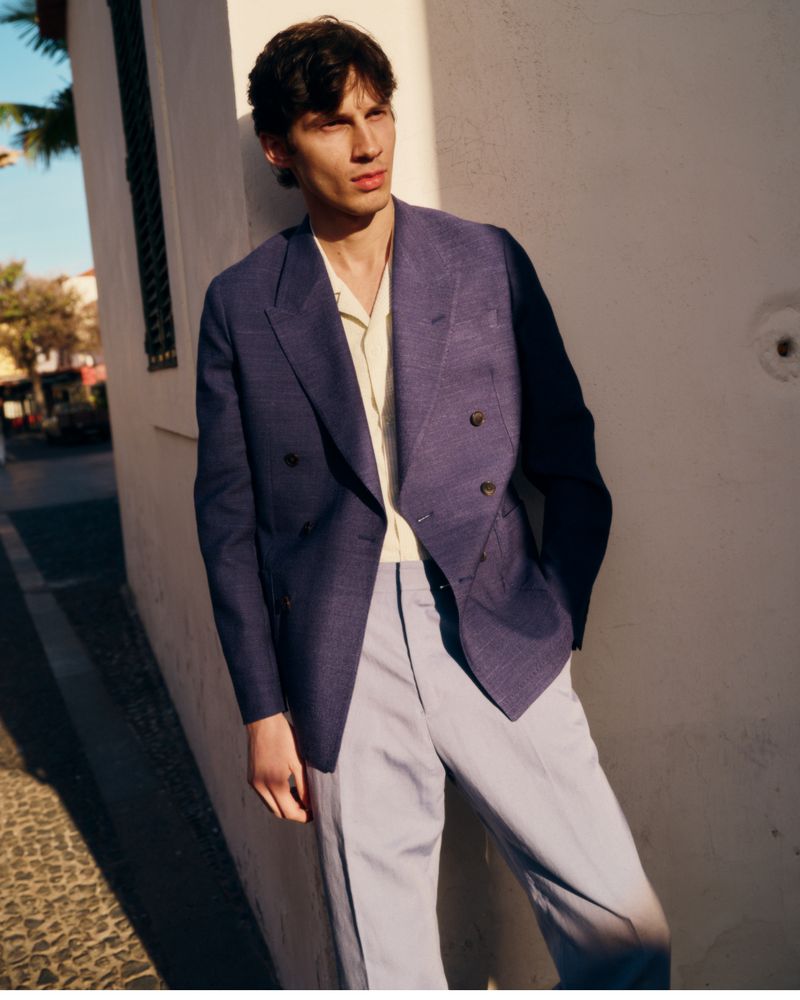
The essence of soft tailoring lies in what isn’t there, which in turn means you need to be more conscious about what remains. The best place to start is by choosing a jacket without canvassing or rigid lining, but one that still has enough structure to frame the body. This is what separates it from an overshirt you simply throw on. Look for unstructured blazers with natural shoulders and a fluid drape that moves with you rather than against you.
When it comes to styling, balance is key. If your jacket is relaxed, ensure the rest of the outfit doesn’t follow suit (literally). Pair it with clean, loose but well-cut trousers, ideally with a subtle taper or a single pleat to make everything look intentional.
A softly tailored navy blazer worn over a fine-gauge knit polo and lightweight wool trousers strikes the right note: easy but still feels like you’ve thought about it. The aim isn’t to look rushed or a bit undone, it’s to appear effortless and polished without feeling prescribed, or too hot.
02. Rethink the shirt

The traditional cotton shirt has long been a cornerstone of tailoring, but in the height of summer it can feel unnecessarily stuffy. Soft suiting invites a more laid-back approach, one that replaces stiffness with texture and breathability.
Linen shirts and lightweight poplin styles offer an alternative that is more in tune with the warmer season. For a slightly more relaxed setting, a linen shirt worn open at the collar brings ease without tipping into casual territory.
Fine-knit polos have gained traction in modern summer wardrobes, too. It’s a versatile option that retains the collar and structure of a shirt, but introduces softness through fabrication – ideal under an unlined blazer. Opt for neutral tones like ecru, olive or washed navy for maximum wearability.
The key is to maintain a sense of refinement. Even without a tie or stiff collar, the silhouette should remain crisp. Tuck your shirt in, pay attention to sleeve length – you’re ready for long sunlit days.
03. Be lightly formal
When it comes to dressing for the heat, fabric is everything. The silhouette can remain largely unchanged, but the materials have shifted entirely. Worsted wool (used for traditional suits) and synthetic blends have little place in a hot-weather wardrobe. Swap them for breathable alternatives such as cotton-linen blends, seersucker or high-twist wool.
Each brings its own character. Linen offers unmatched airflow, while high-twist wool is ideal for those who prefer a more sophisticated finish with natural crease resistance. Seersucker, with its puckered surface, sits away from the skin and allows for constant ventilation, which is particularly useful in more humid climates.
The key to styling is embracing the natural qualities of these fabrics. Don’t attempt to make a linen suit pristine for example, you’ll be fighting a losing battle. Instead lean into the slight creasing and pair it with a crisp T-shirt or light knit vest for a modern take. In a more formal context, a high-twist wool suit will work well. Combine it with a lightweight shirt or polo and minimal accessories to keep the formality and drop the weight.
04. Take the weight off your feet
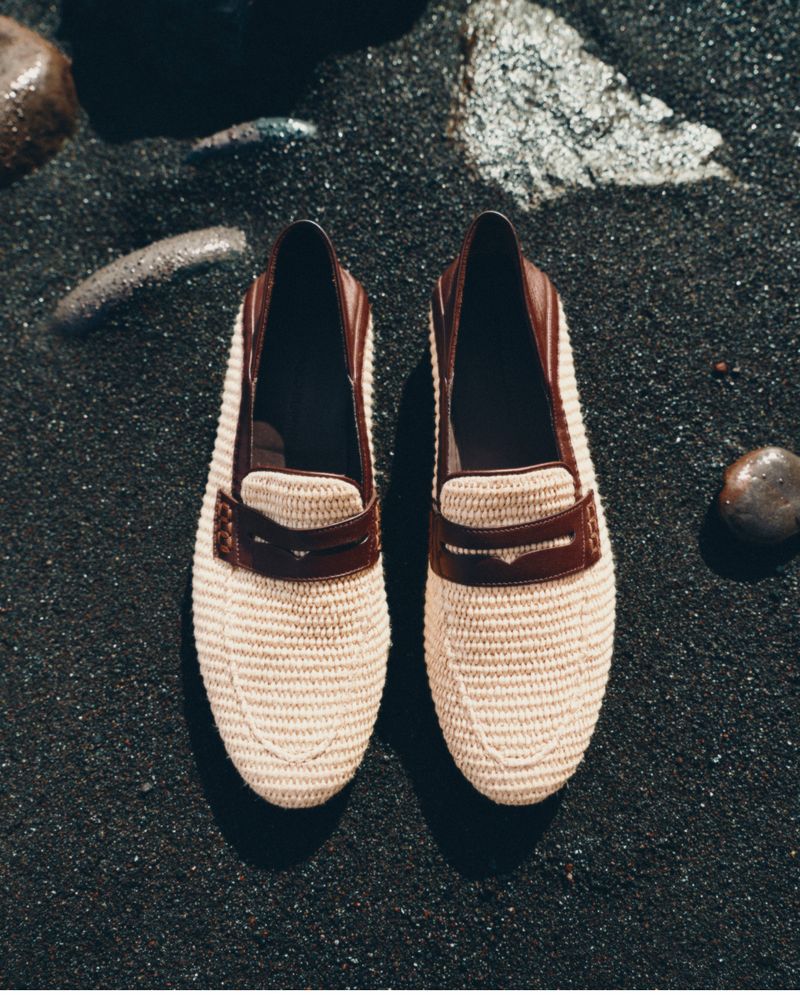
Footwear is often where summer tailoring succeeds or fails. Heavy leather dress shoes can feel out of step with lighter silhouettes, both visually and practically. Not to mention that they’re often the last thing you want to wear in the heat.
Opt for styles that offer breathability without compromising on elegance instead. Where to begin? Unlined loafers will rarely steer you wrong – soft, flexible and easy to wear across a range of settings. Suede versions work well, adding texture while keeping things effortless.
For particularly hot and humid climates, woven leather or suede espadrilles provide ventilation and a more seasonal feel, especially when paired with cropped or slightly tapered trousers. Colour matters, too; swap black for shades of brown, tan or even off-white to lighten the overall look.
Ultimately, your footwear should echo the rest of your outfit. Think refined, not rigid. The aim is to feel as comfortable walking through a city in peak heat as you would stepping into a meeting, attending a late lunch or taking a seat at Wimbledon’s Centre Court.