THE JOURNAL
There was a time when you wouldn’t want to be called a charro. The term first appears in 16th-century Portuguese and Galician to describe idiots or fools. Vicente de Olea, a Castilian writer of that era, defined it as “crazy”. As it filtered into Spanish, it became a synonym for gaudy and tasteless. By the time it arrived in Mexico with colonial settlers, it was used as a derogatory designation for simple country folk, much like “yokel”, “bumpkin” or even “redneck” might be deployed in English.
But language moves on. These days, the word translates as something akin to, but not quite, “cowboy” in Mexico, an insult co-opted by the people it was thrown at. As the horsemen of the Mexican countryside began to earn a reputation for their formidable skills, or suertes, being call a charro became a badge of honour.


As is the case for Ángel Fernando Ortiz Segura of the Escuela de Charrería Ex-Hacienda la Soledad in Oaxaca, who features in this video. For him, charrería is also a family custom, passed down over the generations from his great-grandfather, who rode horses in the Mexican Revolution. More than a century later, it is now practiced by Ortiz Segura alongside his own father. “Everything I know about horses is because of him,” he says.
“Charrería is a way that we can escape the mundane everyday life”
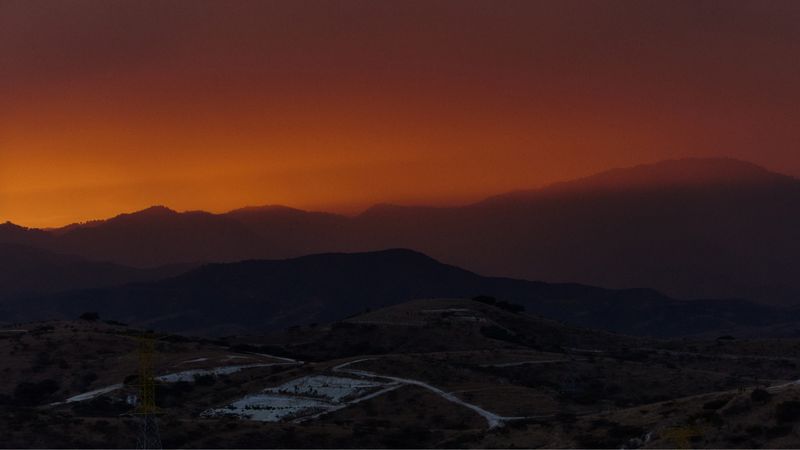
The tradition of charrería itself arrived in the Americas along with the introduction of horses, also in the 16th century. A showcase of equestrian mastery, it evolved from rivalries between ranches into a cultural discipline. “On the estates, they began to compete with each other to see who had the best horses, the best outfits,” Ortiz Segura says. “That’s why the charrería tradition was born.” This cousin of the rodeo is now the national sport of Mexico.
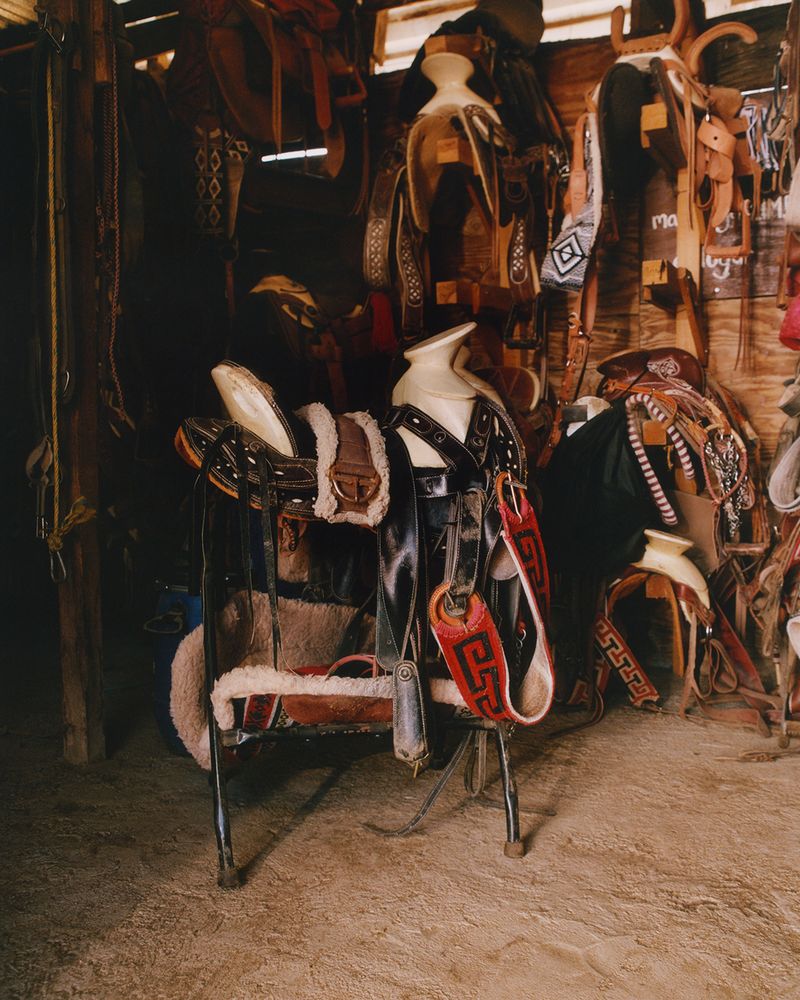
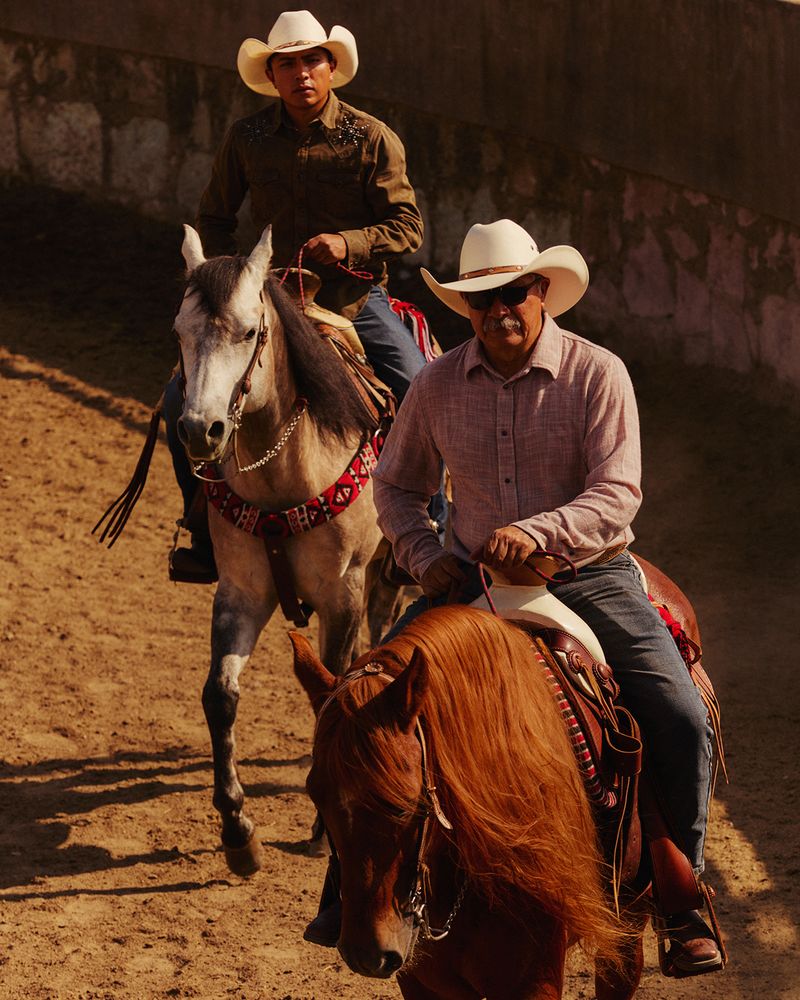
But there is more to it than that. “Charrería is a way that we can escape the mundane everyday life,” Ortiz Segura tells us. And while on horseback is a good place to “fully focus on the present”, as the charro puts it, that sense of adventure is an invitation to all of us.