THE JOURNAL

Left: sushi at Dinings SW3. Photograph by David Robson, courtesy of SW3 Dinings. Right: a dish at Endo at The Rotunda. Photograph by Benjamin McMahon, courtesy of Endo Kazutoshi
During a recent trip to Japan – which resulted in our newly launched Made In Japan edit – we were reminded that the sensibility that defines Japanese style also runs deep through its food. It is not loud or overly complicated, and it doesn’t need to be. From the quiet precision of a sushi counter to the warmth of an izakaya, Japan’s restaurateurs have long understood something that the rest of the world is still catching up on – that great cooking is, above all, an act of respect. Here, we asked some of the London-based finest to share what they know, and how you can bring some of those elements into your own kitchen.
01. Set the table
“Japanese tablescaping – as seen in kaiseki dining (multi-course meals) – follows a similarly rich set of conventions to its Western counterpart, with one addition: a deep respect for seasonality,” says Masaki Sugisaki, executive chef at Dinings SW3. “This might be expressed through the choice of pattern on the kaishiki, the traditional Japanese table mat, or through the use of seasonal branches and flowers in place of conventional chopstick rests, or through crockeries.”
“The idea of ‘preparation’ is very important,” says Michelin-starred sushi master Endo Kazutoshi. “As hosts, we remove anything unnecessary from the table and the space visible to guests, creating what we call ‘ma’ – an intentional pause or interval that gives the moment its meaning.” By clearing the space, your guests can focus and acknowledge what is about to begin with a sense of respect.
02. Choose the right chopsticks
There are a few aspects to consider when picking up new chopsticks. “The ideal length is approximately one and a half times the distance between your extended index finger and thumb held at a right angle,” Sugisaki says. “As for thickness, this comes down to personal preference, though I would recommend a pair with a finer tip. And shape – those with angled edges tend to be easier to hold and manoeuvre.”
03. And stick to your own pair
“Within a family, each person uses their own personal pair of chopsticks,” Sugisaki says. “This stems from an ancient belief that once chopsticks have touched a person’s lips, that individual’s spirit becomes bound to them.”
04. Beware of kirai-bashi
The following chopstick behaviours, among others, are known as kirai-bashi (literally “hated chopstick manners”) and are considered rude:
Yose-bashi: using your chopsticks to drag a bowl or dish towards yourself
Utsushi-bashi: passing food directly from one pair of chopsticks to another
Sashi-bashi: spearing food with your chopsticks rather than picking it up
Watashi-bashi: resting your chopsticks across a bowl or dish in place of a chopstick rest
Mayoi-bashi: hovering your chopsticks over dishes while deciding what to eat
Sakasa-bashi: reversing your chopsticks to use the handle end to serve or pick up food
Sashi-bashi: pointing at a person with your chopsticks during a meal
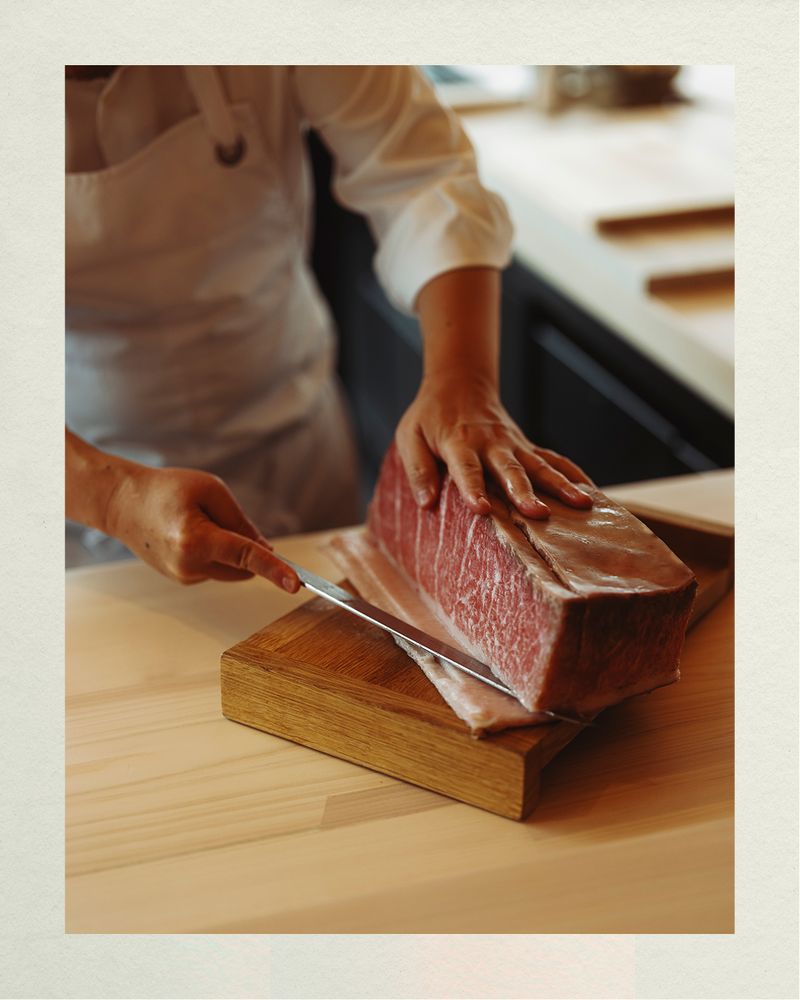
Endo at The Rotunda. Photograph by Benjamin McMahon, courtesy of Endo Kazutoshi
05. Mind the cut
“The handling of a knife is guided by one paramount principle: to honour the ingredient,” Sugisaki says. “This means cutting in a way that causes as little damage to the produce as possible. As a result, the Japanese technique relies not on force, but on allowing the blade to glide through the ingredient.”
06. And the angle
“A well-sharpened knife can be kept in excellent condition by lightly stroking the edge across the surface of paper held at a 45-degree angle,” Sugisaki says. “To preserve that sharpness over time, it is also worth using a chopping board made from a softer material.”
07. Stay local
When picking up raw fish, pay attention to texture, moisture and aroma. “Ultimately, it comes down to trust, trust in the person selecting the fish,” Kazutoshi says. “You choose the fish through the people who supply it, so I’d recommend building a strong relationship with your local fishmonger, asking what’s in season and how local the fish is.”
08. Keep sushi simple
Focus on the rice first – wash it well, cook it carefully and season it while it is still warm so it absorbs the flavour evenly. Keep the rice at body temperature. “When shaping, use a light touch,” Kazutoshi says. “Do not press too firmly; the rice should hold together, but still feel soft. Then, the balance between rice and fish is important; neither should overpower the other. Prepare only what you will eat straightaway. Sushi is at its best the moment it is made – that attention to timing, even at home, will transform the experience.”
09. Crisps, the Japanese way
Chef Masaki Sugisaki shares his recipe for toro tartare crisps.
Ingredients
· Potatoes
· Oil
· Avocado
· Onion
· Block of toro (tuna belly)
· Mayonnaise
· Gochujang
· Chives, finely chopped
Equipment
· Taco mould
Method
Slice the potatoes to a thickness of 3mm, then cut into rounds approximately 6cm in diameter, and soak the rounds in cold running water for around 5 minutes to remove excess starch.
Pat the slices dry, then, using a taco mould or similar, fry in oil at approximately 150°C until all moisture has been driven off and the crisps are golden.
Cut the avocado into pieces roughly 4cm long and just under 1cm thick – aim for approximately 5g per piece. Finely dice the onion, rinse thoroughly under cold running water to remove any sharpness, then drain well.
Cut the sashimi-grade toro into 3mm cubes. Combine the mayonnaise with gochujang to taste and mix well.
Secure the fried potato rounds so they sit flat, and season with a pinch of salt. Layer with avocado, gochujang mayonnaise, diced onion and toro, in that order, then finish with finely chopped chives.
10. Cleanse the palate
Kazutoshi recommends lightly salted cucumber, or water with a touch of sudachi (green citrus) or yuzu. “It’s not about overpowering the palate, but gently resetting the senses,” he says.
“It is not uncommon to see people eating gari (pickled ginger) together with the sushi itself, but its true purpose is to cleanse the palate between pieces – not to accompany them,” Sugisaki says.
11. Round it all off with sake
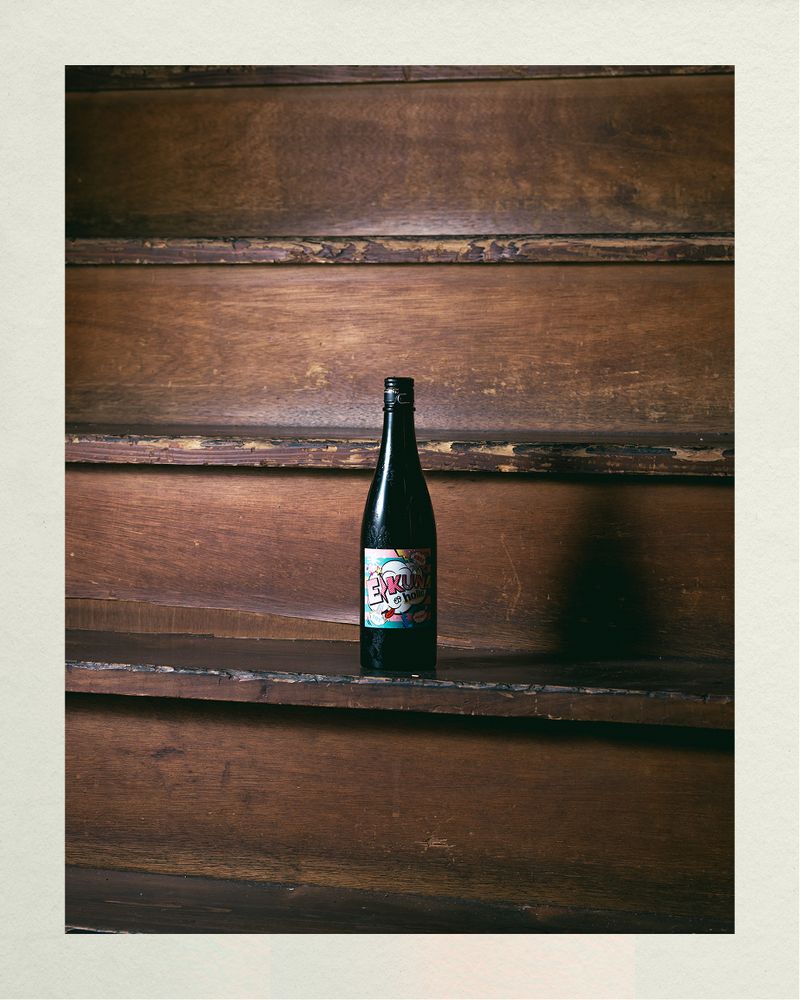
EIKUNholic sake. Image courtesy of Mai
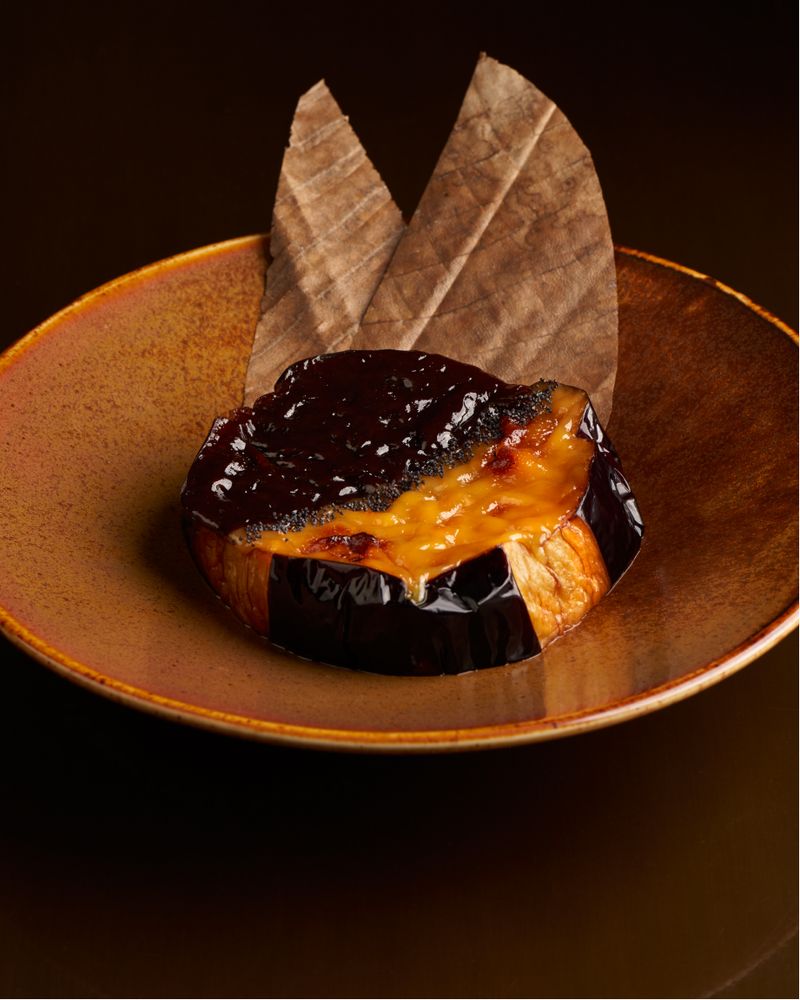
Nasu-dengaku (double-cooked aubergine with miso) at Dinings SW3. Photograph by David Robson, courtesy of Dinings SW3
“When it comes to food pairing, umami plays a crucial role in the harmony between sake and food,” says Erika Haigh, sake sommelier and founder of Mai, which specialises in fine Japanese sake and spirits. “It is the key reason why sake works so well across a wide range of cuisines. Compared to other alcoholic beverages, sake is typically lower in acidity, gently rounded in texture, and has little to no bitterness or astringency, making it an incredibly versatile partner at the table.”
12. It’s all about balance
“With more delicate fish, I prefer a lighter, cleaner sake,” Kazutoshi says. “For richer fish with a higher fat content, you can introduce a sake with more depth and structure, but it should still remain balanced. Temperature also matters. A slightly chilled sake can bring clarity.”
13. Do drink pairings
“The gentle minerality and bright fruit profile of Zaku Gen no Tomo pair beautifully with seafood dishes,” Haigh says. “For grilled meats, a sake with more depth and savoury character, such as Akamon, works best.” Akamon, an unpasteurised style, is expressive, rich and umami-driven, matching the intensity of grilled dishes.
“With spicy food, a lower alcohol style is ideal so as not to amplify heat, while for fried dishes, sparkling rosé bubbles help cut through richness.”
“As for dessert, Yamada Juro Plum Sake is a beautiful option. Unlike many others, it is not overly sweet, instead offering an elegant balance of aroma, gentle sweetness and tartness.”
14. Try Erika Haigh’s sake spritz
The sommelier shares her take on a fruity spritzer.
Ingredients
· 90ml fruity sake (EIKUNholic or Zaku Gen no Tomo work well)
· 30ml soda water
· 15ml lemon juice
Method
Mix well and serve over ice with a citrus peel or fruit garnish of your choice.